Extra 20% off today!* Use code NOV20
Extra 20% off today!* Use code NOV20
20 experiences found
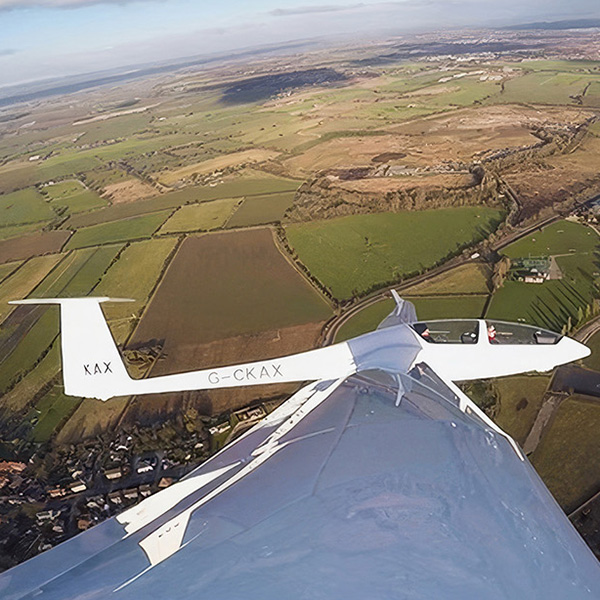
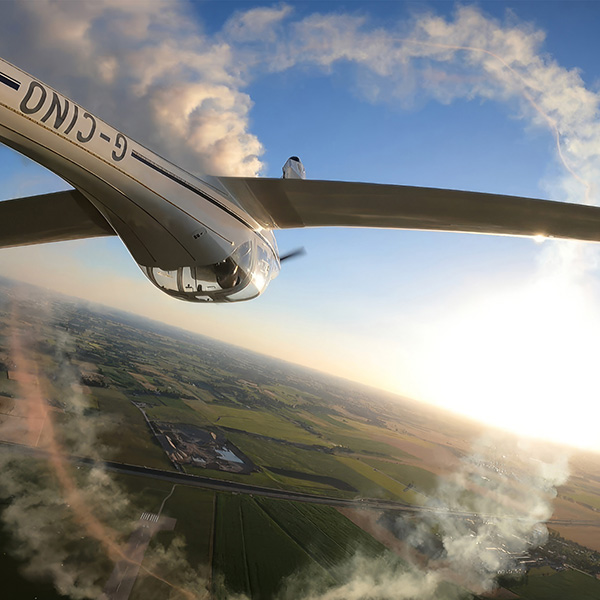
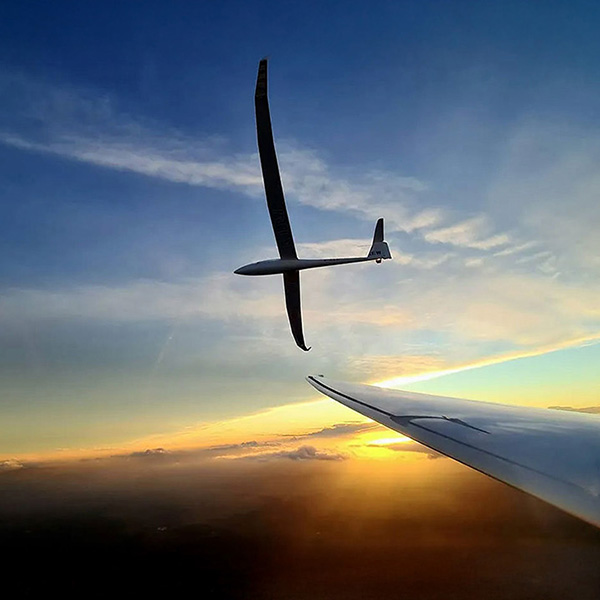
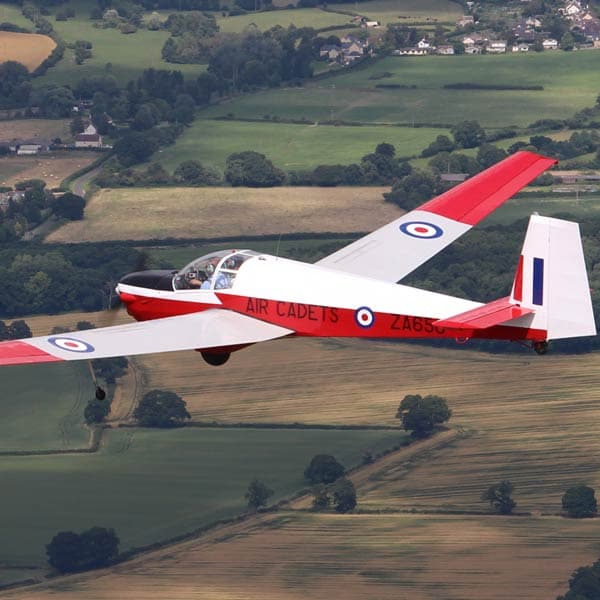
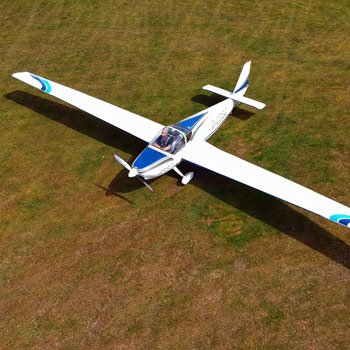
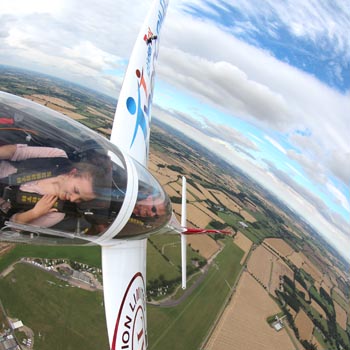
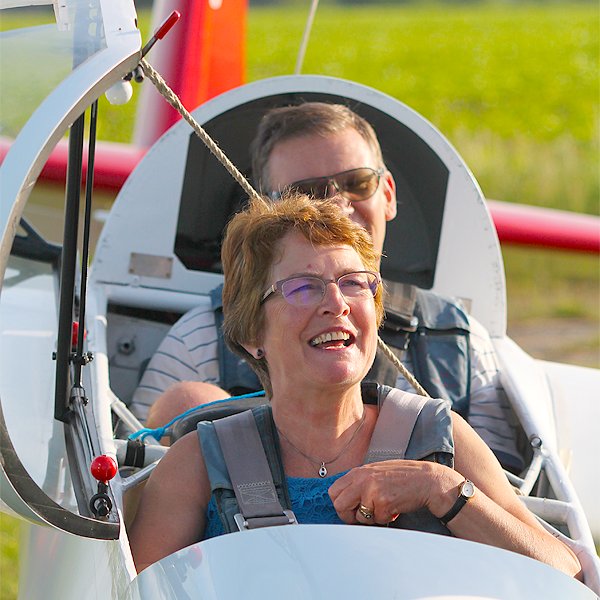
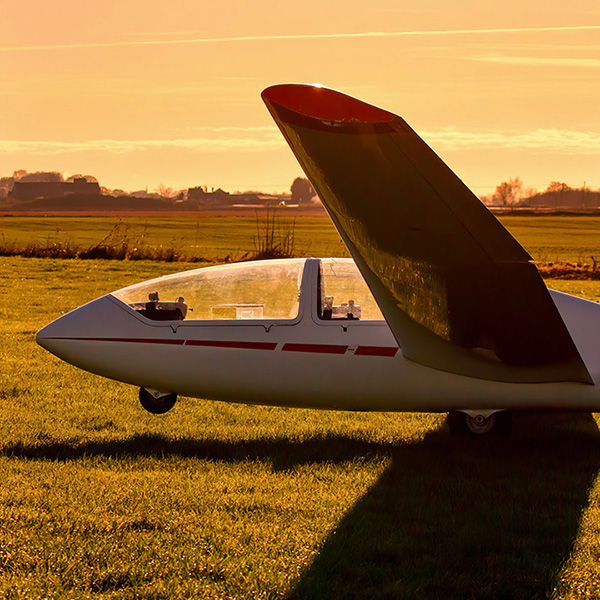
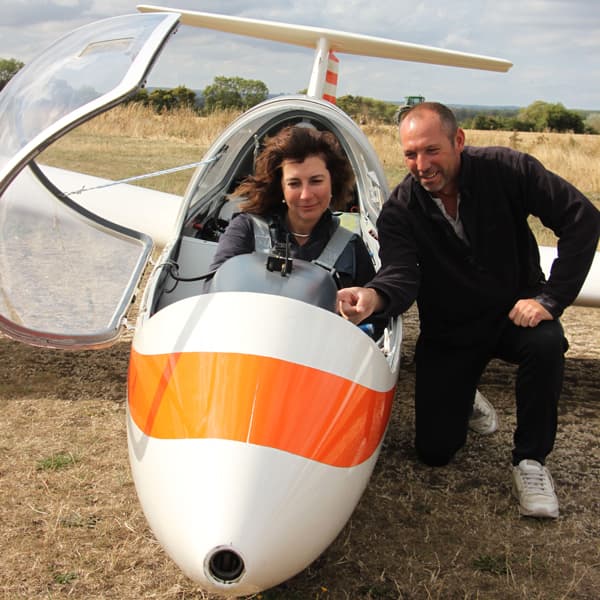
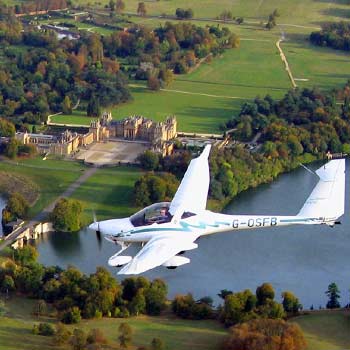
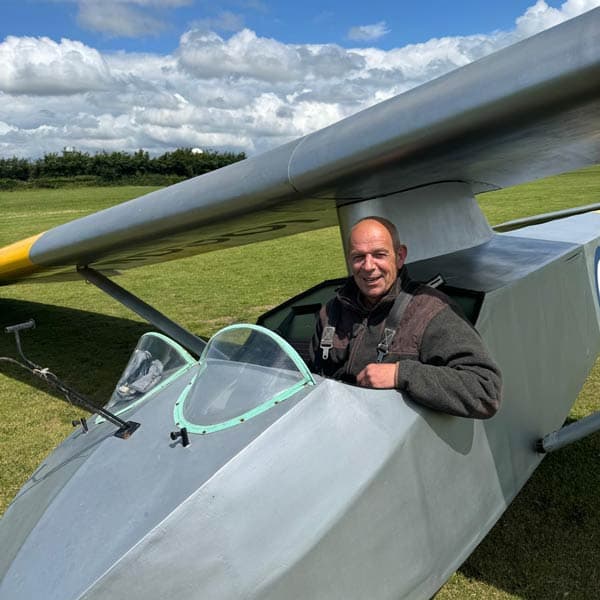
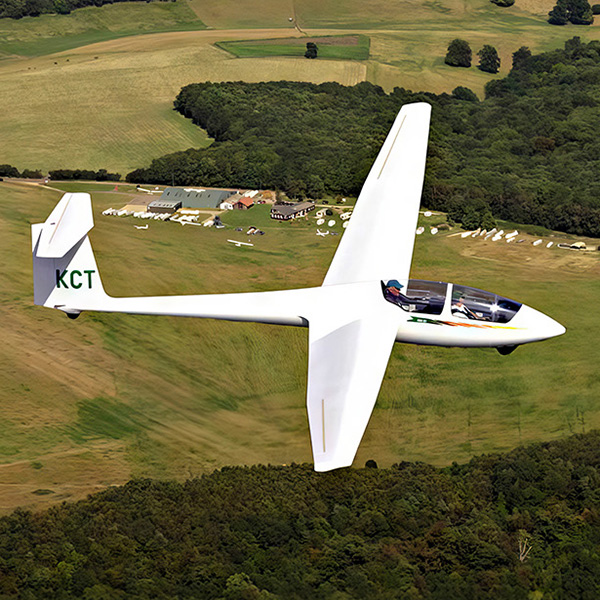
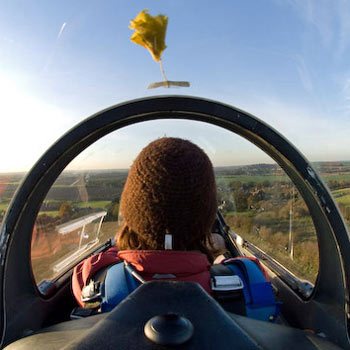
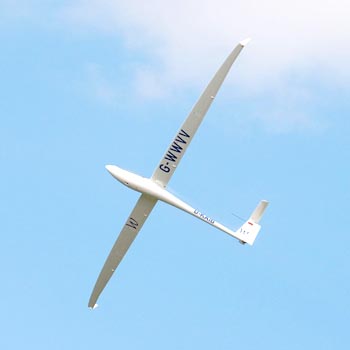
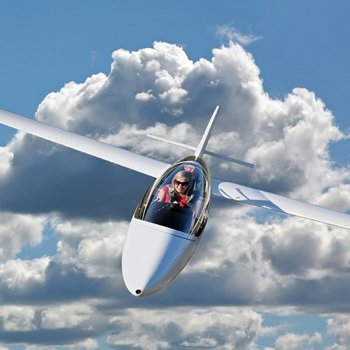
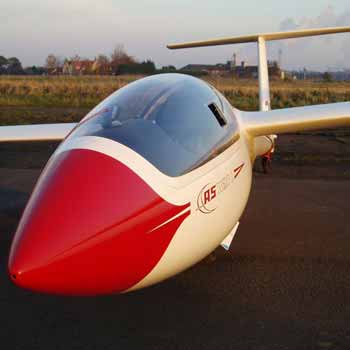
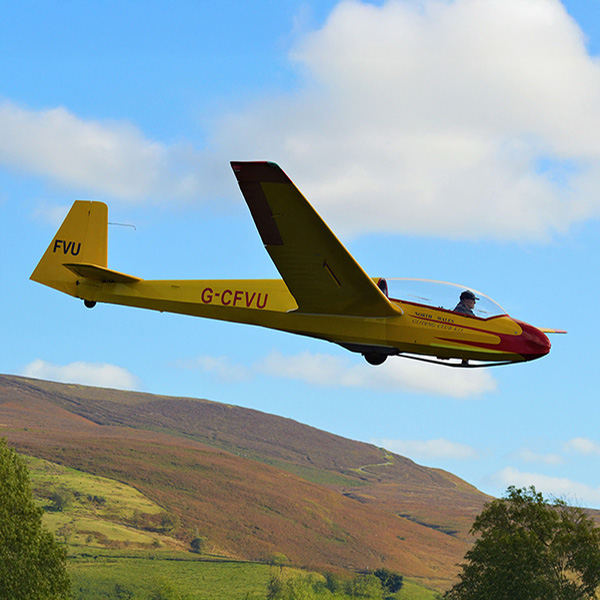
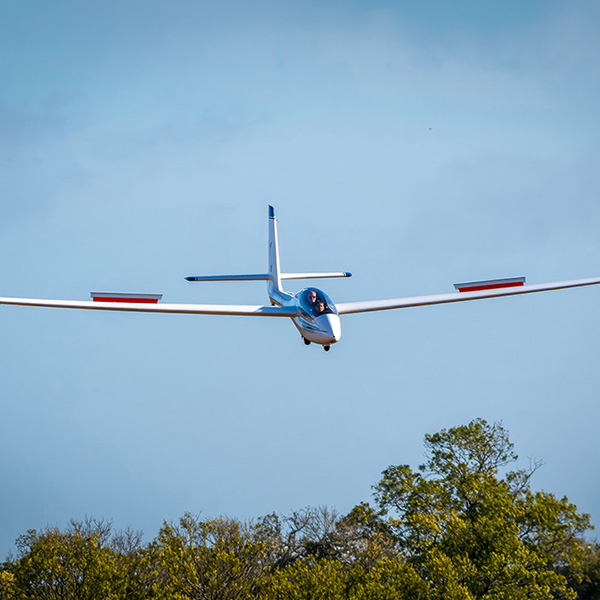
Discover the serenity of silent flight with a gliding experience! Catching thermals and soaring is what flying in a glider is all about. We have a full range of flight durations at glider schools & clubs around the UK, offering winch launches, aerotows and self-launching motorised gliders too. Glider flights FAQs...
Nothing! You'll be pleased to hear gliders don’t actually need wind to fly or stay up in the air. Think of them like a paper airplane: even in perfectly still air, they glide forward and downward in a smooth, fully controlled way. In fact, windless days are a beginner's gliding dream because the ride is incredibly peaceful and bump-free!
Comfortable layers with flat shoes. It can get quite hot under the glider cockpit canopy,. but then is cooler at altitude. A hat a suncream might be order of the day too in sunny weather!
Safety comes first, so if the weather isn't suitable for flying a glider your experience will be postponed and rescheduled. Most glider operators have a dedicated weather line that you can all just before to confirm flying conditions.
It all depends what type of glider flight you book. We have winch launch and aerotow flights that start under £60, all the way through to pilot taster days with multiple flights in one day.
Here's the lowdown:
Aerotow - the glider is pulled up by a tug plane using a cable, then released.
Winch tow - the glider is taken up by a cable attached to a motorised winch on the airfield, then released.
Motorised - the glider uses its own engine to take off, then the engine is switched off.
For these trial lessons the release heights are as follows: Winch tows 1000ft, aerotows generally between 2000-2500ft and motorised gliders power to around 2500-3000ft.
Modern gliders can reach speeds of up to 150mph, but on taster flights you'll be cruising at something between 50 and 90mph.
Thermals are the holy grail for glider pilots! If the pilot finds a pocket of air that's rising faster than you are coming down, that's uplift and you'll ascend. Catching these bubbles of warm rising air (thermals) give you lift as you circle around gaining height - just like birds with their wings stretched out do. Note that quite often trial lessons avoid thermals as the slow spiralling can set off motion sickness.
Gliders can easily stay aloft for five hours and go higher than their initial launch height, thanks to thermals. For these beginner lessons you can expect: winch glider flights to last 5-10mins, aerotow glider flights 15-20mins and motorised glider flights are generally around 25-30mins.
Bumpy. Gliders are on grass runways being pulled by a cable and it gets pretty noisy and rattley too. Winch tow take offs are more aggressive than aerotows and motorised gliders, as the angle is more aggressive. But once you're up there, it's really peaceful and surprisingly quiet