Extra 20% off today!* Use code NOV20
Extra 20% off today!* Use code NOV20
55 experiences found
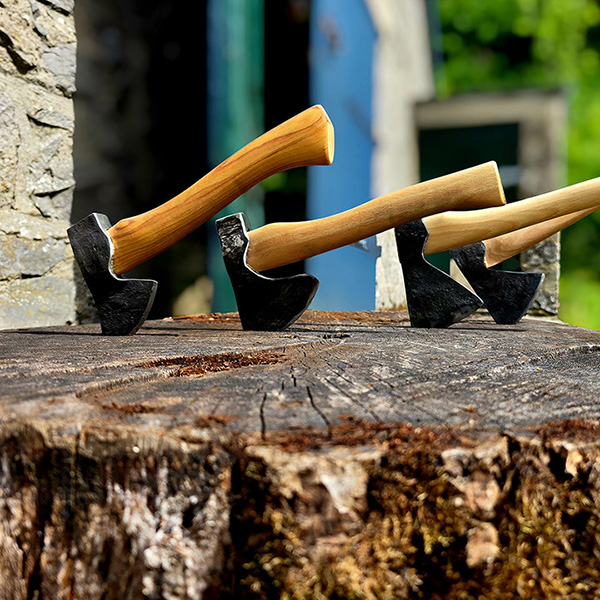
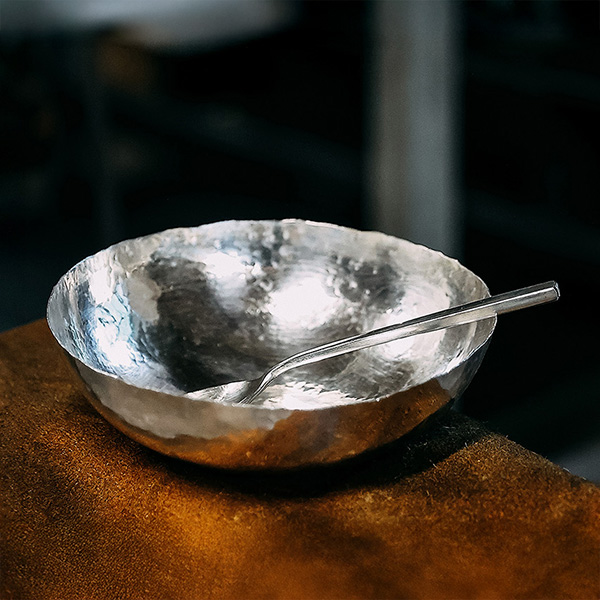
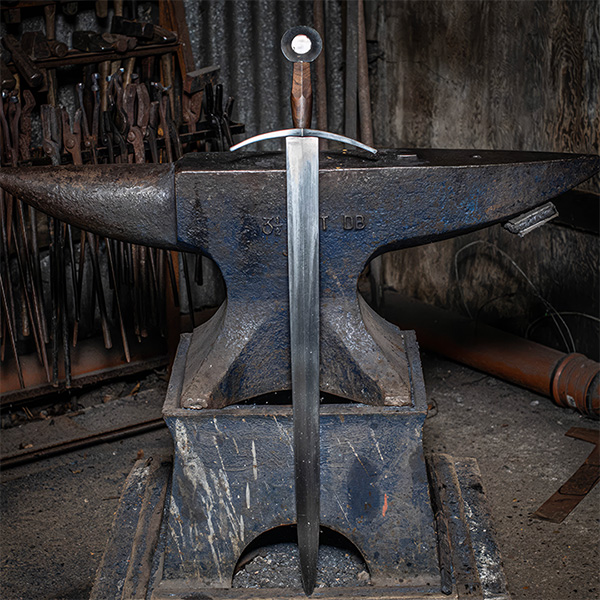
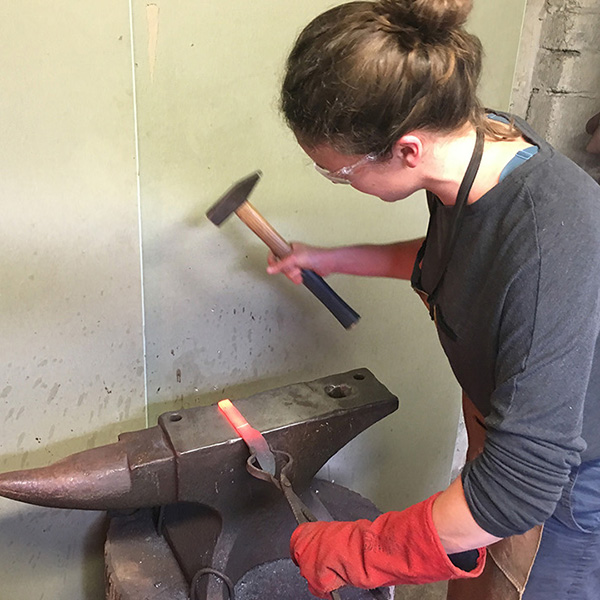
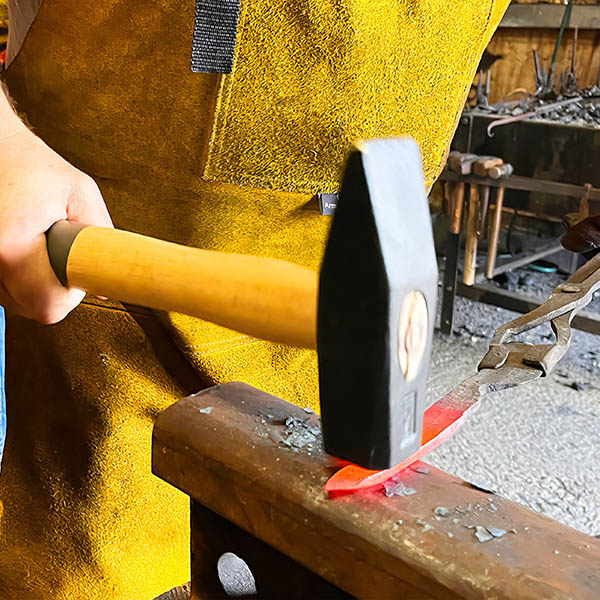
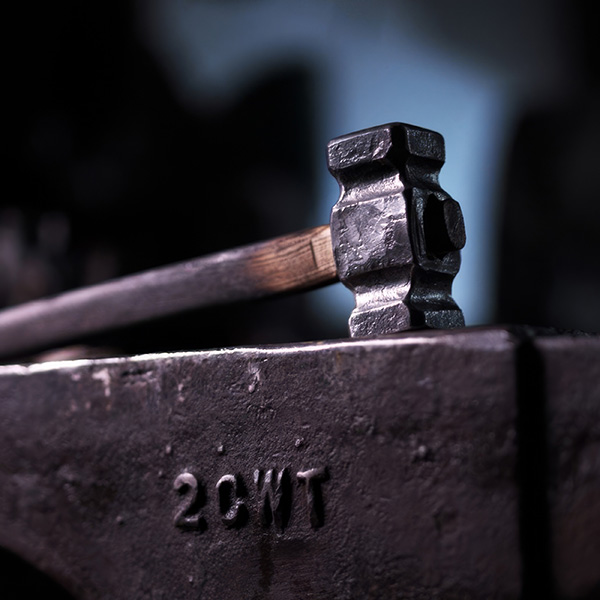
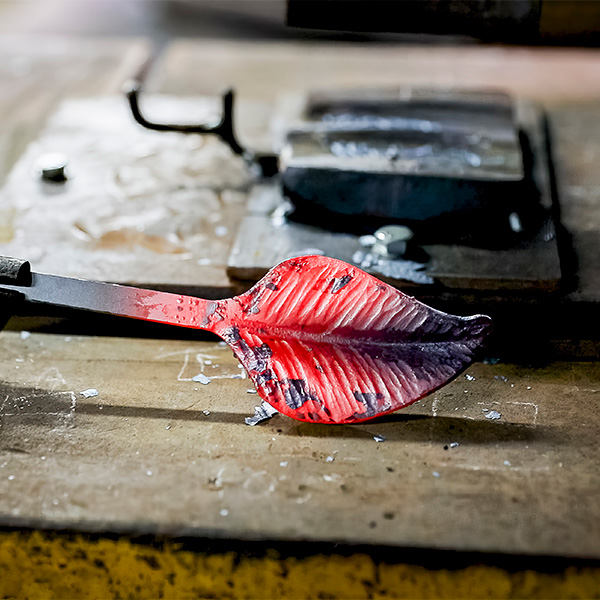
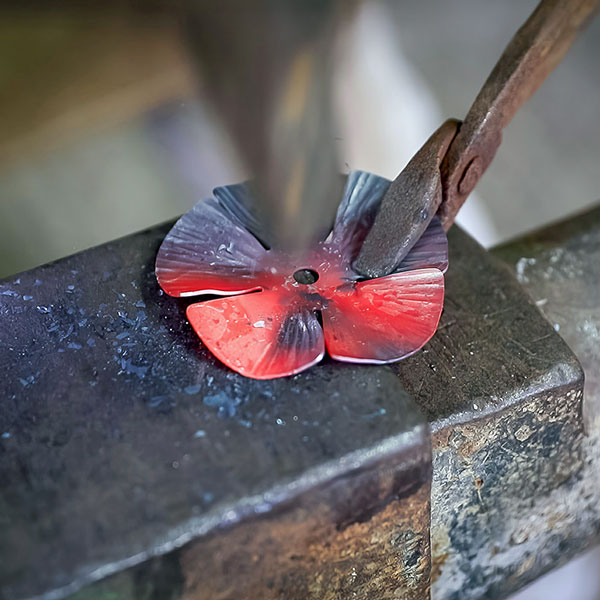
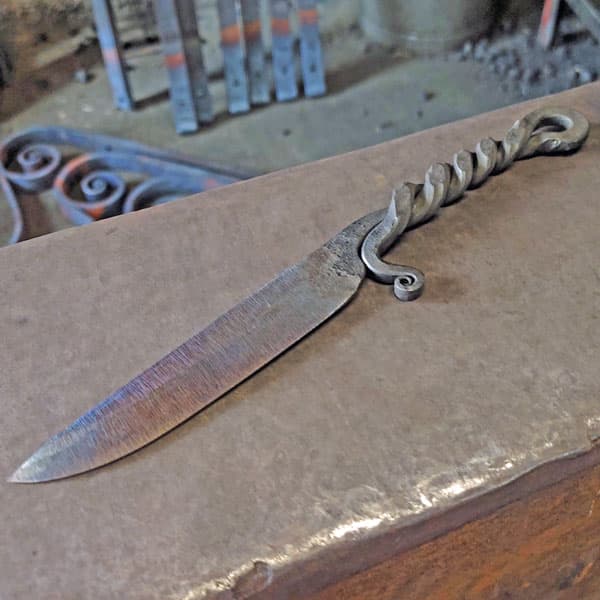
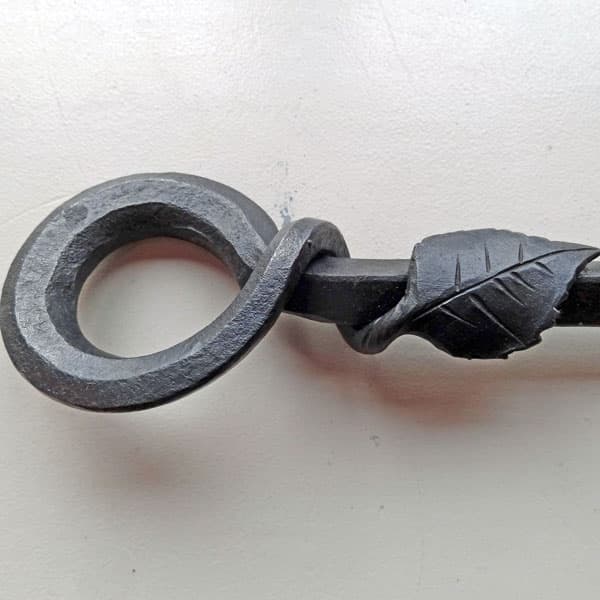
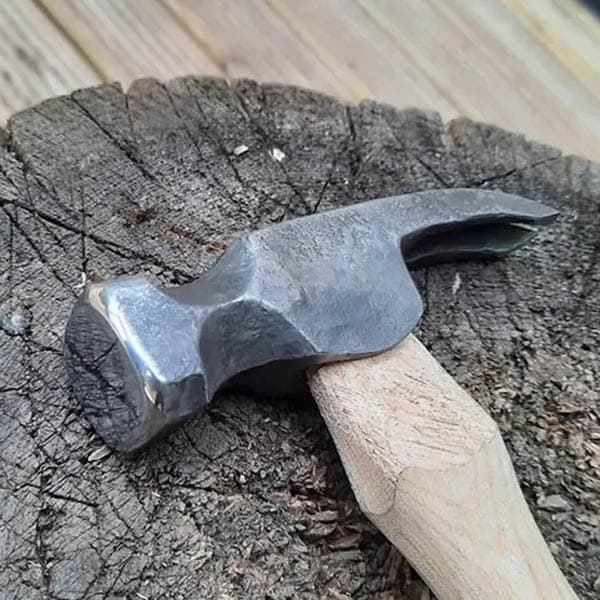
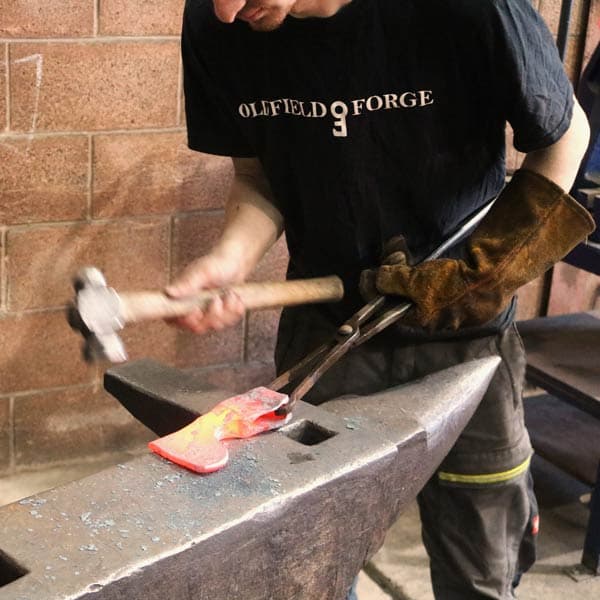
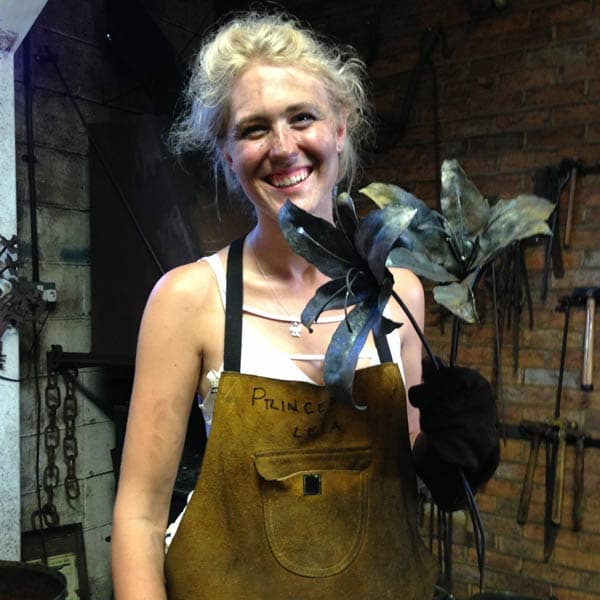
Blacksmithing is the art of heating metal (wrought iron or steel), to then be able to create objects, both decorative and practical, using tools such as hammers, chisels and tongs to bend, form and cut the hot metal into the shape you want.
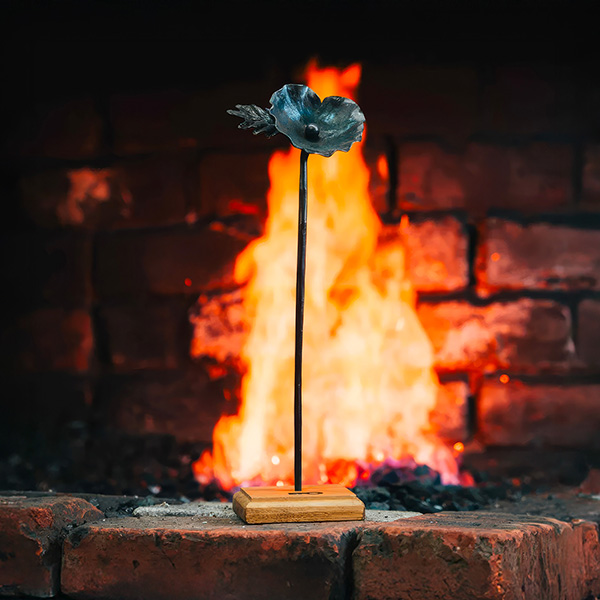
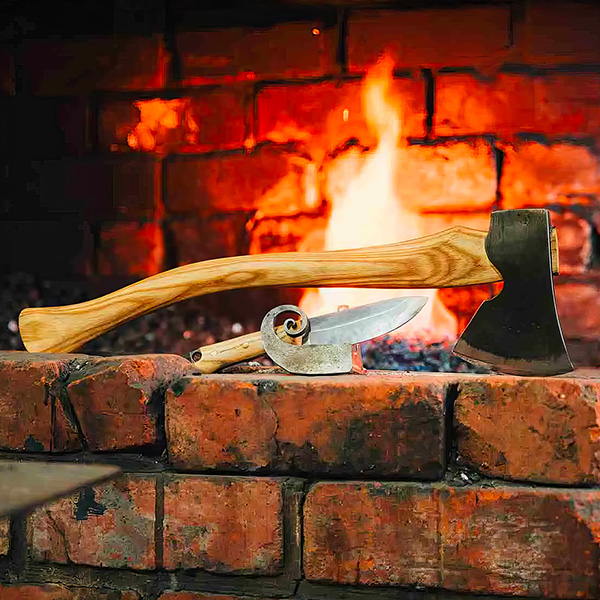
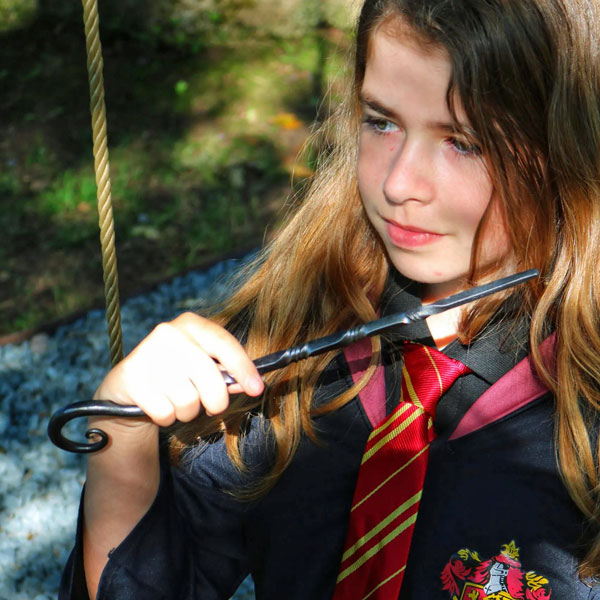
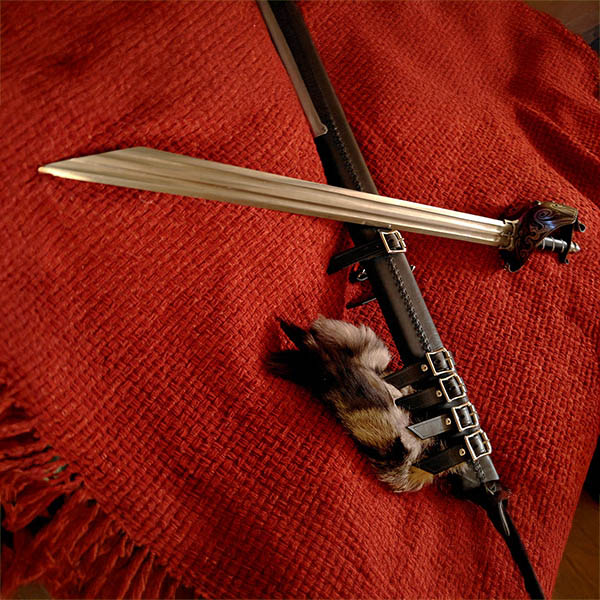
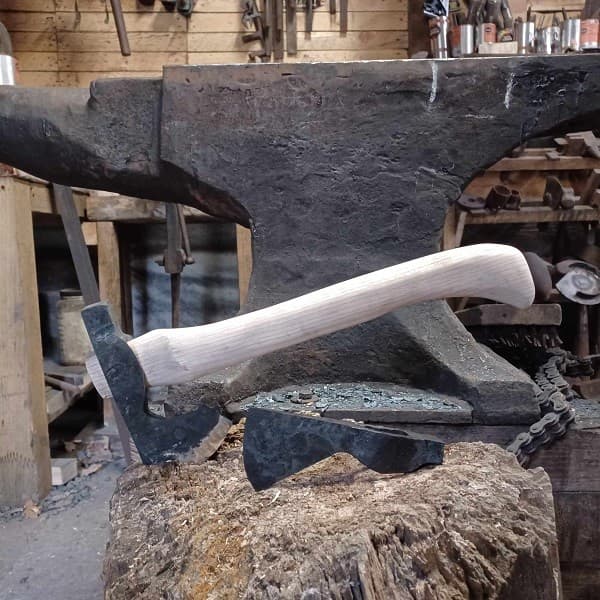
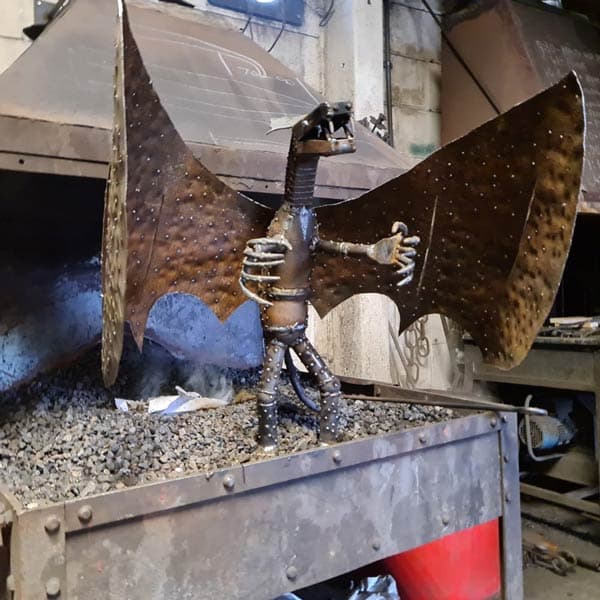
You'll be surprised by what you can actually get to make in fairly short space of time on a blacksmith course. Typical items include hooks, letter openers, fire pokers and key fobs. More complicated pieces include woodworking tools, knives and swords.
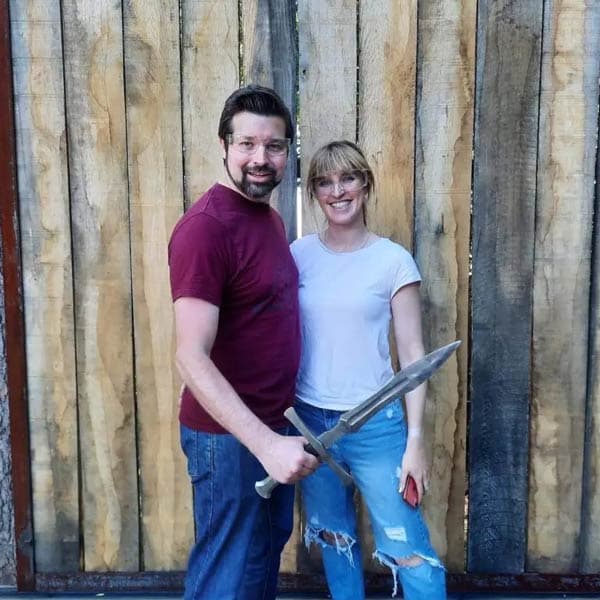
Yes! Be it a keepsake or something that's totally practical like a kitchen knife, everything you make you will be able to take home with you as a memento of the day you learnt how to be a blacksmith!
Yes! Back in the 18th and 19th centuries there would have been a blacksmith in every village. That's not the case nowadays, but blacksmithing is still a profession, often with the emphasis on the artistic side, with blacksmiths carrying out commissioned work. There are also a lot of hobbyist blacksmiths and people interested in learning this traditional craft, which is why blacksmith courses and experiences exist too!
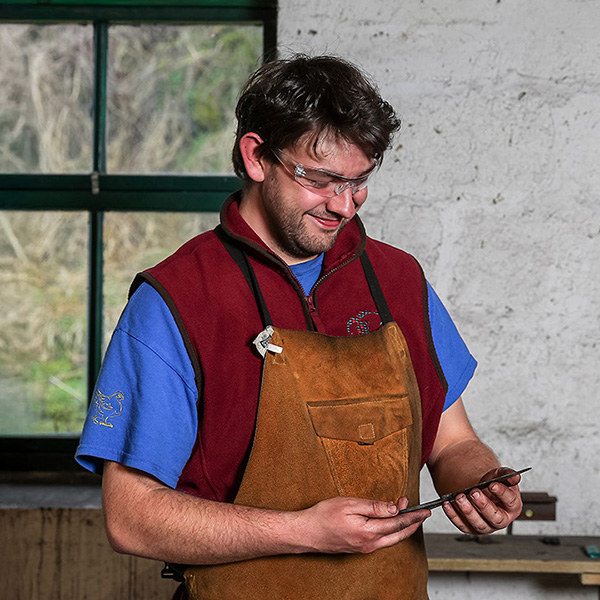
Yes. All the protective gear, the raw materials and the use of the tools is included in all blacksmithing experiences.
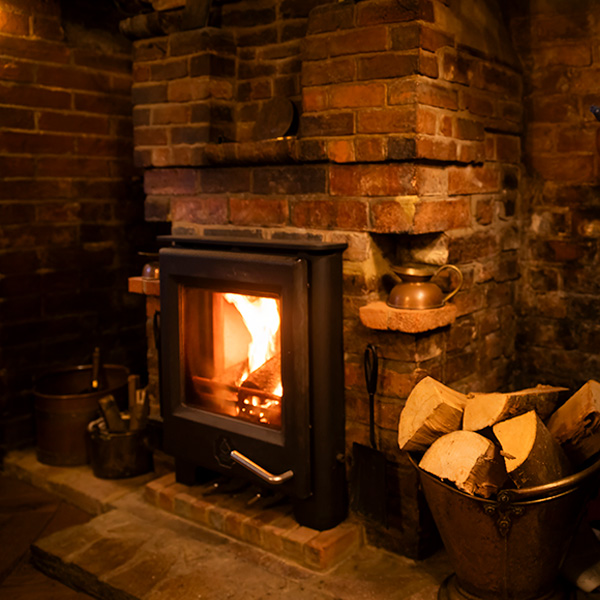
A blacksmith's workshop is known as a forge. The furnace or hearth of the forge is where the metal is heated. These days furnaces are powered by propane, natural gas or the more traditional coal or charcoal.
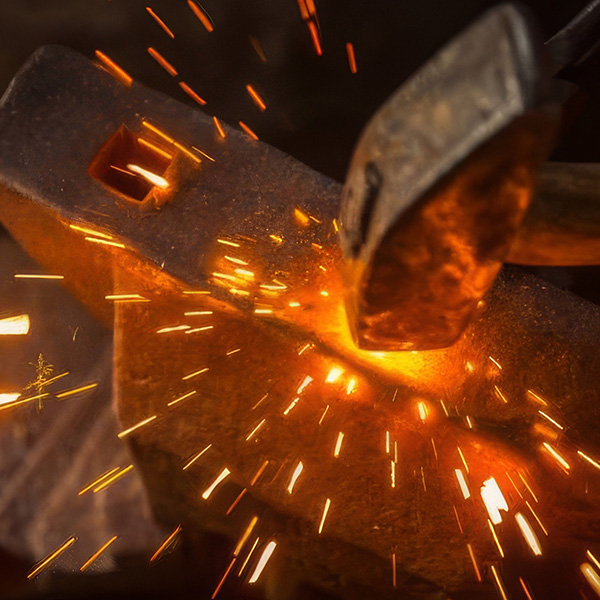
The wrought iron or steel is placed in the furnace to heat up. Once it's glowing, it's hot and soft enough to be able to be bent, cut and shaped into whatever form you want.
Red hot! A coal-fired furnace in a blacksmith's forge can easily reach 1900°C, but to forge steel for example, a temperature of around 1000°C is needed. That's extremely hot, when you think your average cooking temperature in your oven at home is 180°C!
Sure you're in an environment where there is extreme heat and flames using heavy hand tools, but as long as you wear all protective gear and take all necessary precautions, you can be a safe blacksmith.
With the amount of supervision required and space needed for using the forge and tools for these blacksmithing experiences, numbers are generally kept low, usually to one or two participants per tutor.