Extra 20% off today!* Use code NOV20
Extra 20% off today!* Use code NOV20
21 experiences found
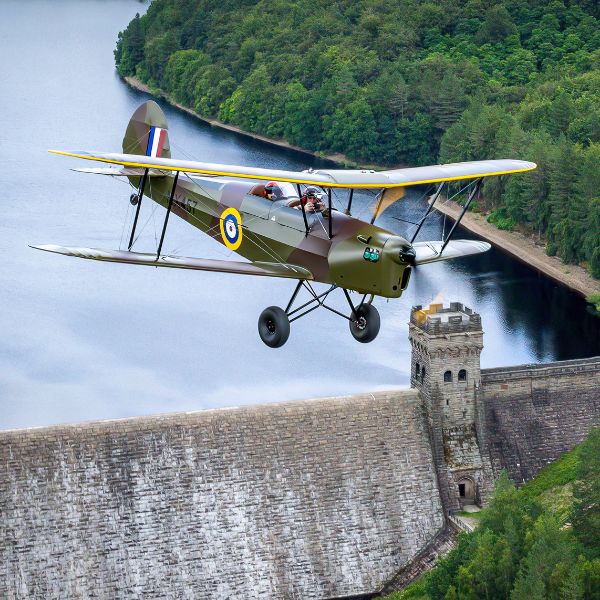
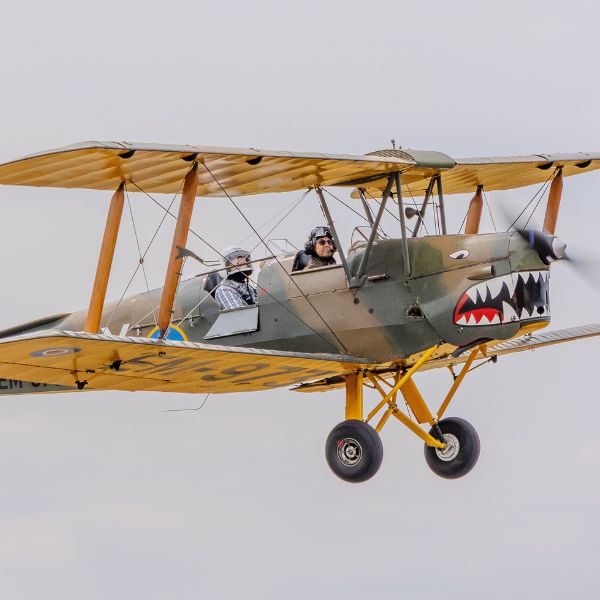
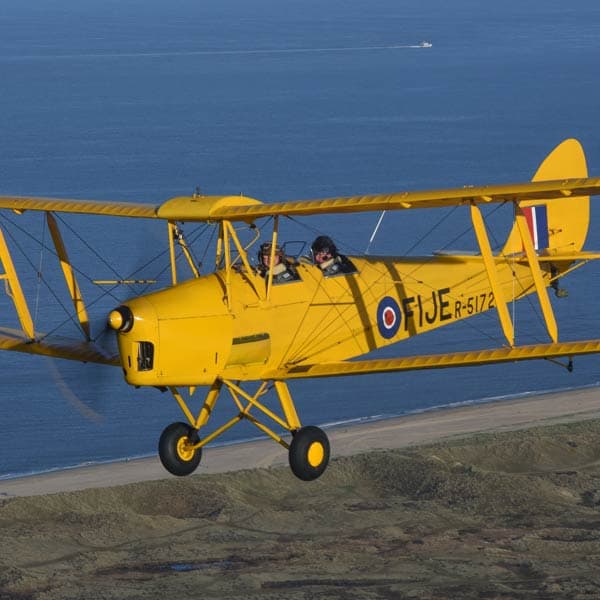
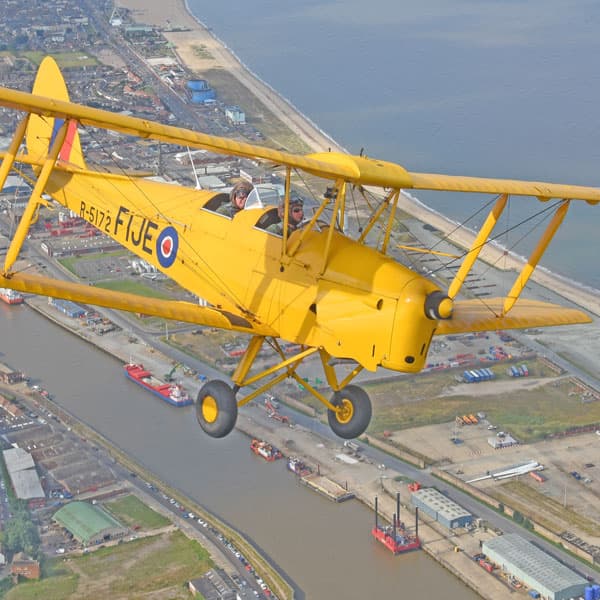
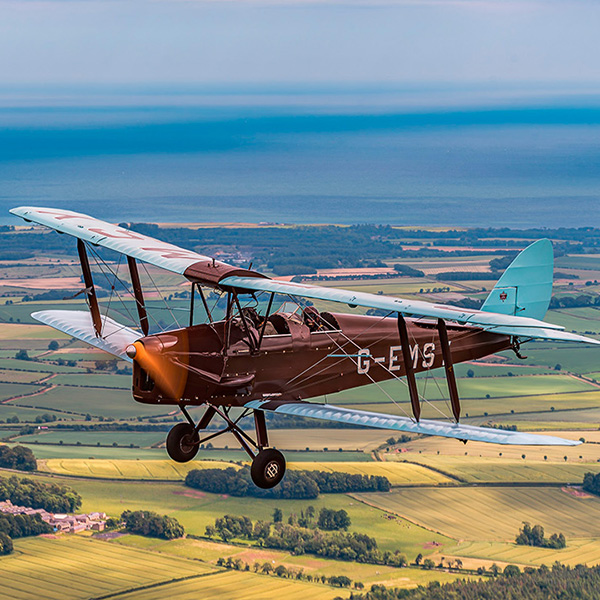
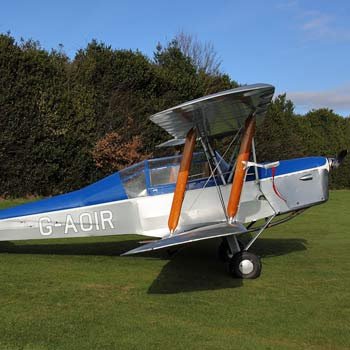
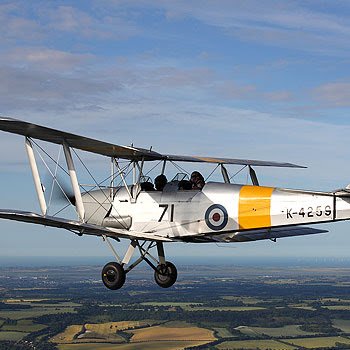
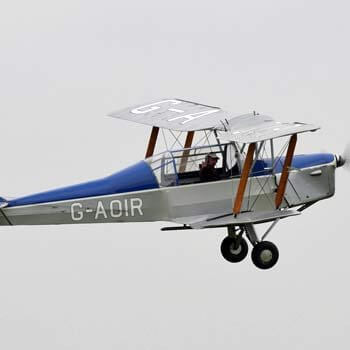
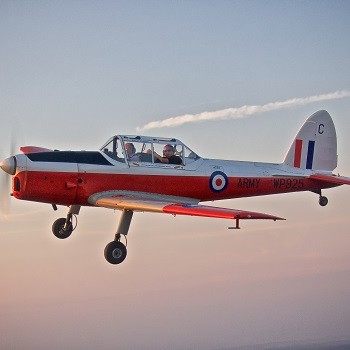
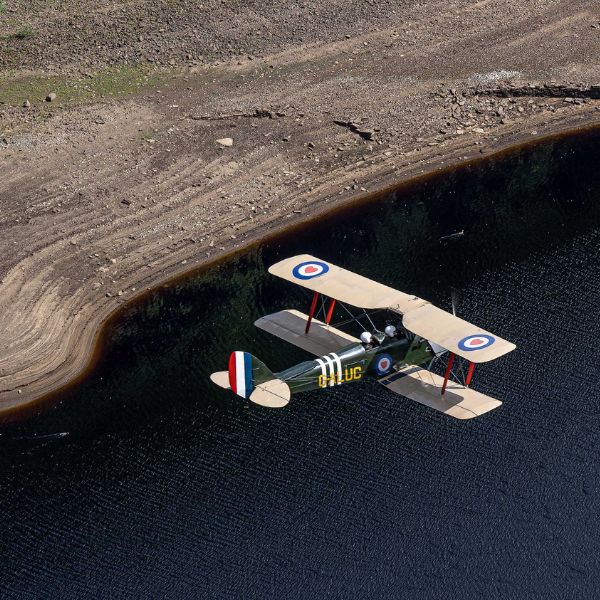

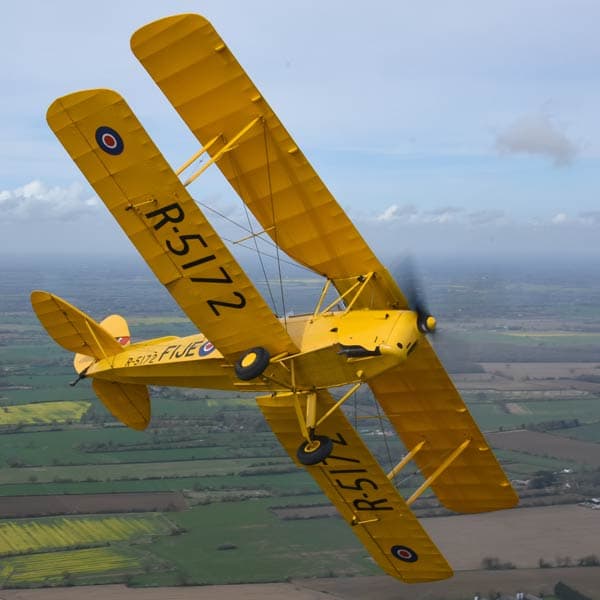
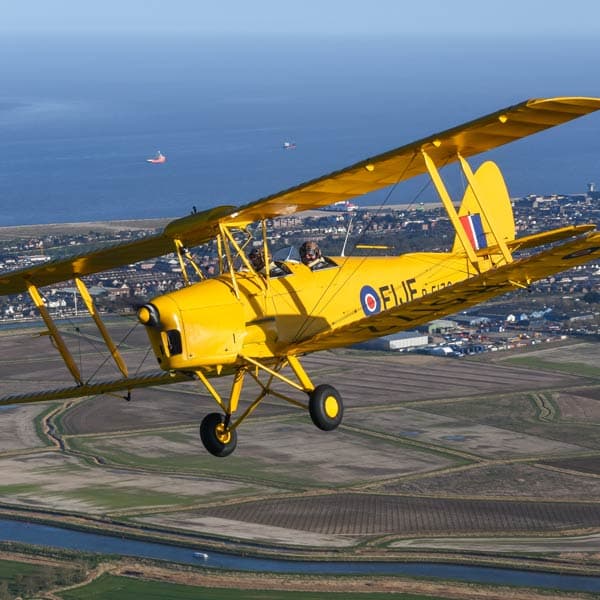
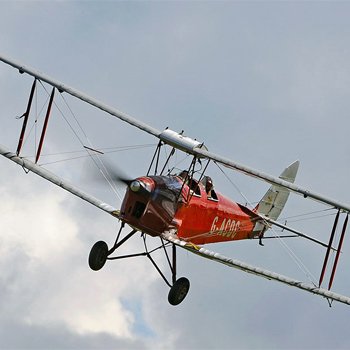
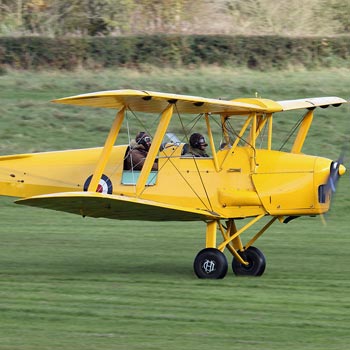
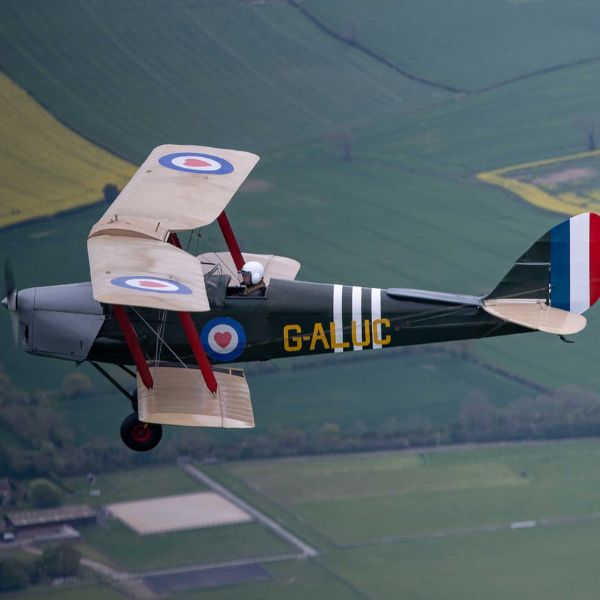
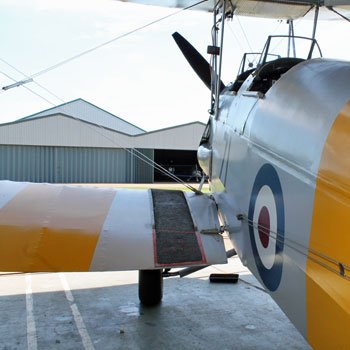
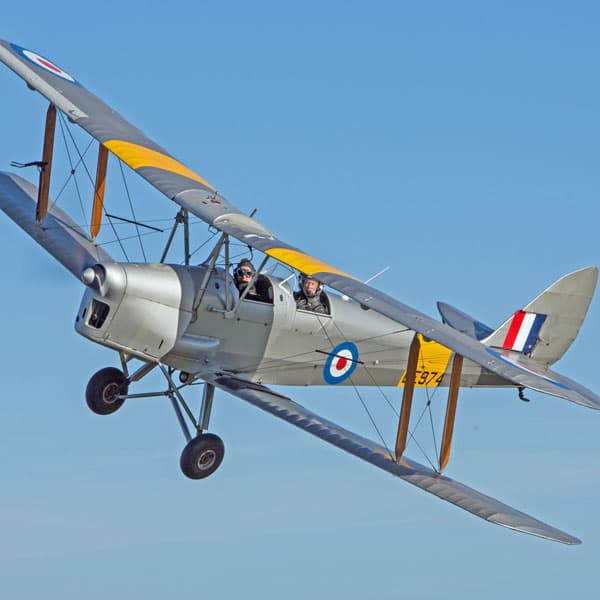
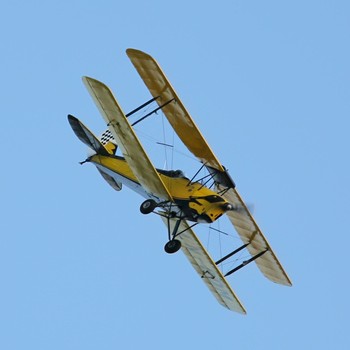
Tiger Moth flights - vintage, open-cockpit, biplane aviation at its best! From the 1930s to the 50s, Tiger Moths served as training planes for young RAF pilots. Now it's your chance to fly a magnificent Tiger Moth plane.
We also have flights in other vintage aircraft such as Chipmunks, Stampes and Cubs. Chocks away! Read our Tiger Moth flight experience FAQs...
If you love classic aviation, a flight in a Tiger Moth (or any other vintage aircraft for that matter) is a must. Step into the world of fabric covered wings, bracing wires and wooden propellors. It may date from a bygone age, but even today the vintage Tiger Moth holds a very large place in the hearts of anyone who has ever flow in one. This is British aeronautical engineering at its best!
If you're not keen on flying, you probably won't be up for flying in a vintage aircraft that has an entirely open cockpit and seems, quite frankly, rather basic! How about booking a trial flying lesson instead? You'll fly in a modern light aircraft, all warm and cosy inside the fully-closed cockpit!
Considering how much it costs to restore, maintain and fly one of these beautiful vintage planes, these Tiger Moth flying experiences are pretty reasonably priced. They start at around £180 for a 15-minute weekday flight.
It is estimated there are around 250 Tiger Moths around the world, with a fairly large number of those flying in the UK. Many are privately owned and flown, which means there are very few that operate passenger flights. Here at Into The Blue we specialise in flying, which is why we have one of the largest ranges of Tiger Moth and vintage biplanes flight experiences you'll find anywhere!
Tiger Moths first flew in 1931 and were built up until 1944. We have a range of de Havilland DH.82 Tiger Moths on the books from various production years (most were built in Hatfield or Cowley, but some under license abroad) and they are still as graceful and smooth as the day they first flew.
Here's the story. The RAF needed a trainer and fast. De Havilland proposed the Gipsy Moth, but it was rejected. One of the main reasons being that the position of the aircraft's top wing meant a pilot wearing a parachute couldn't bail out of the plane. So de Havilland hastily made several changes, including pushing the wings forward, thus creating the Tiger version of the Moths. And the rest, as they say, is history! (Great pub quiz question too - you can thank us later for this golden nugget of Moth information!).
Yes, very much so. In full production from 1932 to 1944, over 8400 Tiger Moths were built. This legendary aircraft was the RAF's Primary Trainer. Although simple to fly, she's very difficult to master and can be quite a handful - especially in the wind. Instructor pilots loved it, as she certainly knew how to weed out the wheat from the chaff, making it easy to select potential fighter pilots who would go on to fly in Spitfires. (And did you know you can fly in a Spitfire with Into The Blue too?).
Once demobbed in 1959 by the RAF, the planes found themselves new careers as everything from crop dusters to tugs. It's hard to imagine now, but post-war you could pick up a demobbed Tiger Moth for around £60, or you could get two for £100! Thankfully aviation enthusiasts have kept several of these machines flying from airfields around the country.
Yes! They might not be as slick and aerodynamic as modern day aerobatics aircraft, but the Tiger Moth can still hold her own when it comes to loops and rolls. Depending on the duration of your flight, conditions on the day, if you're up for it and your instructor agrees, you can experience some gentle aerobatic moves in a Tiger Moth on your flight experience!
Yes, it's true there are no brakes on a Tiger Moth - and this is one of the biggest challenges for modern-day pilots of these vintage aeroplanes. You might have heard of the expression 'tail dragger' and that's because originally the Moth had no tail wheel, it was a metal plate and it's that plate dragging on the ground that slows the plane down, hence no tarmac runway takeoffs. Although many have been modified to include a tail wheel these days.
You will have the best seat in the house - up front, right behind the propellor! Contrary to what you might think would happen, in a tandem configuration aircraft your pilot instructor sits behind you. Of course, that makes communicating tricky (especially with the noise of an open cockpit), so you will both have a headset on for the flight.
Yes, they're totally different to modern aircraft, but that is the thrill of classic aviation! The airframe is wood, the wings are made from wooden struts covered by fabric and the cockpit is totally open to the elements - this is back to basics flying at its best!