Extra 20% off today!* Use code NOV20
Extra 20% off today!* Use code NOV20
39 experiences found
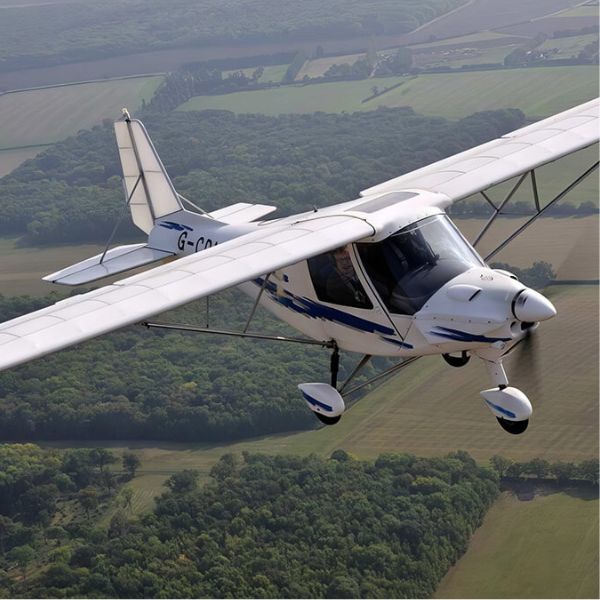
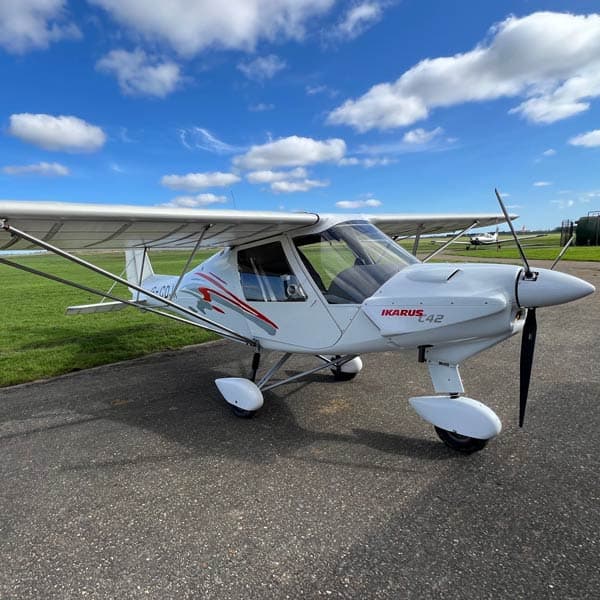
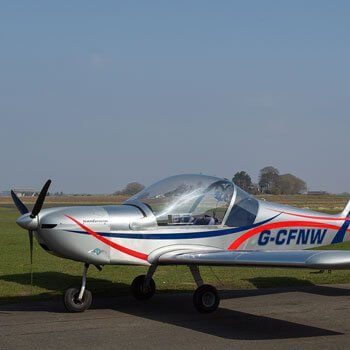
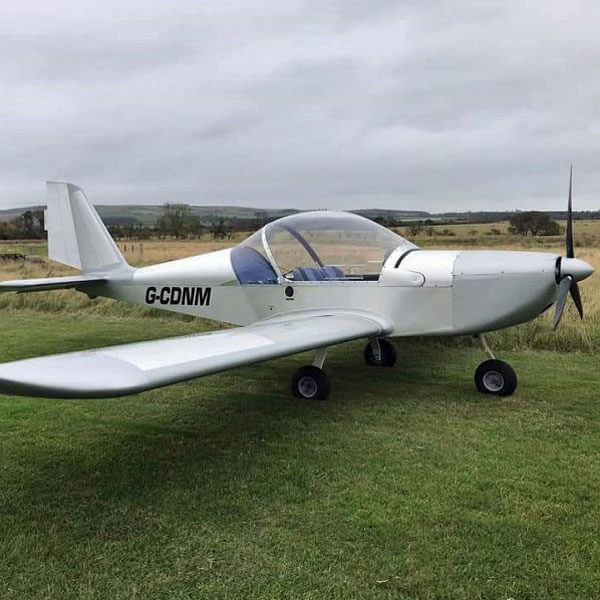
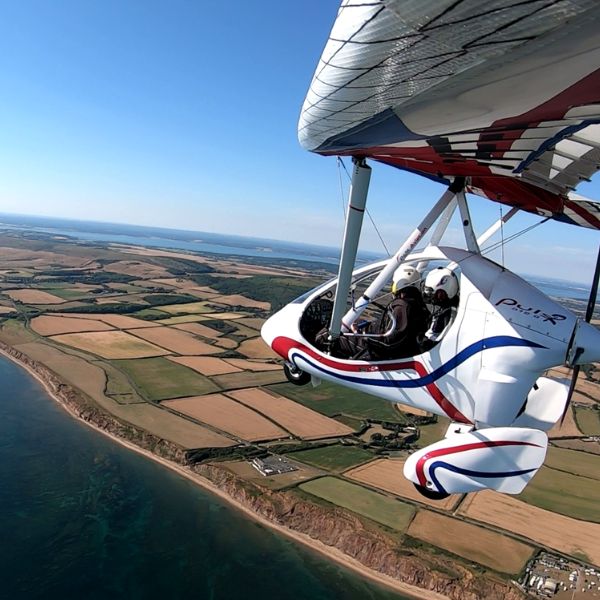
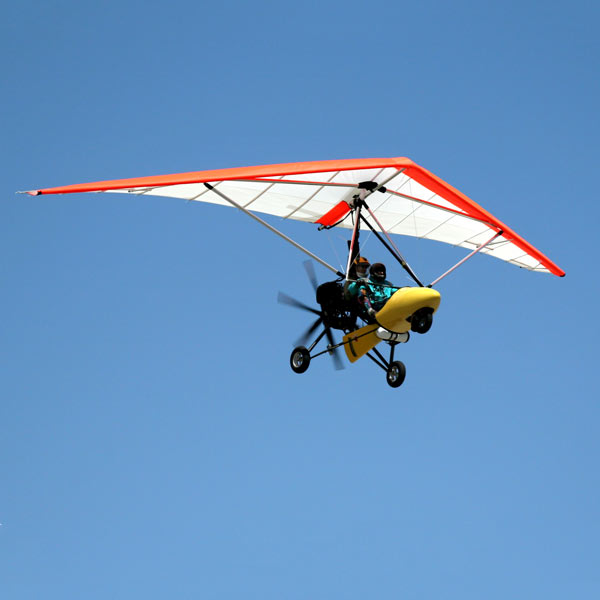
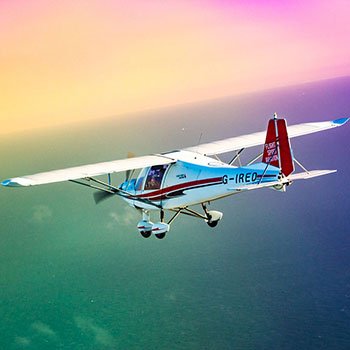
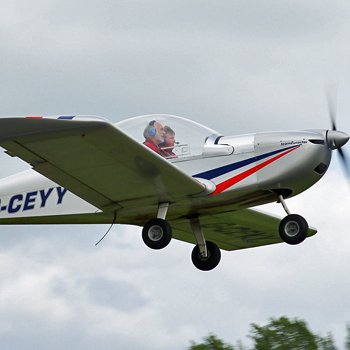
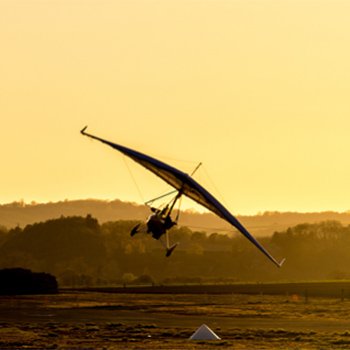
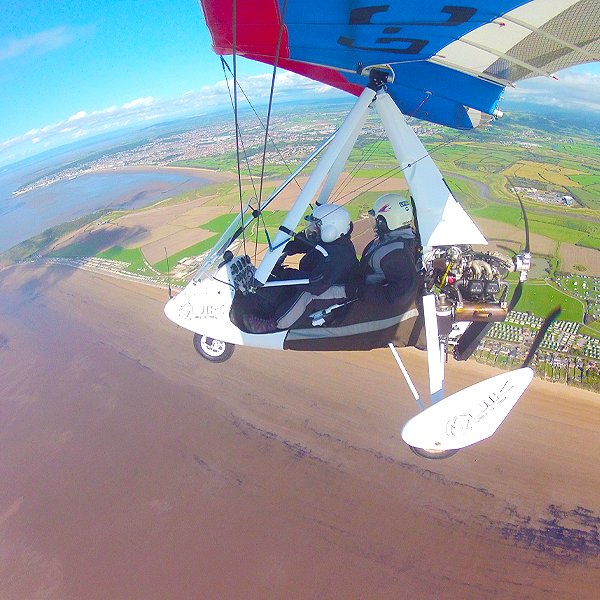
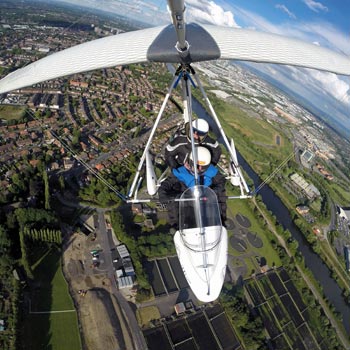
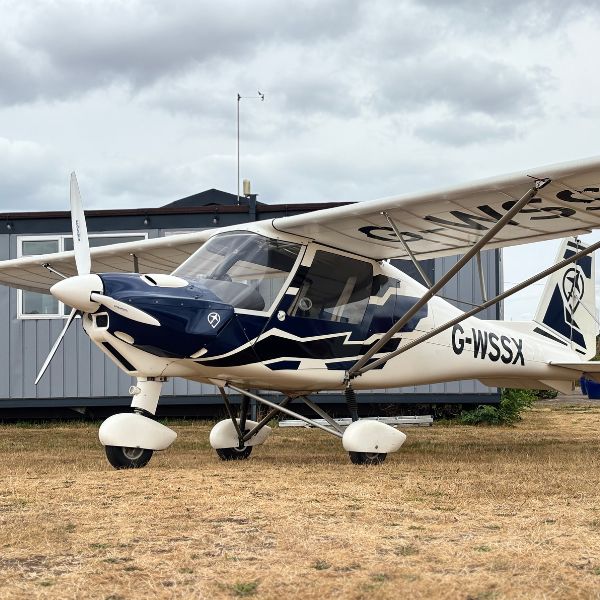
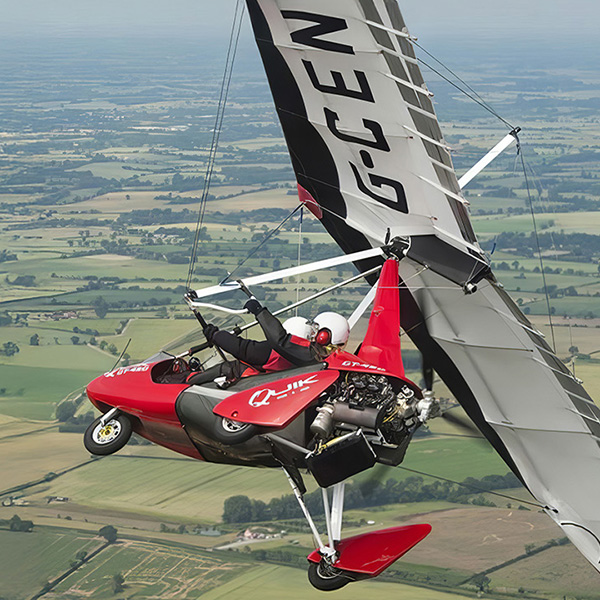
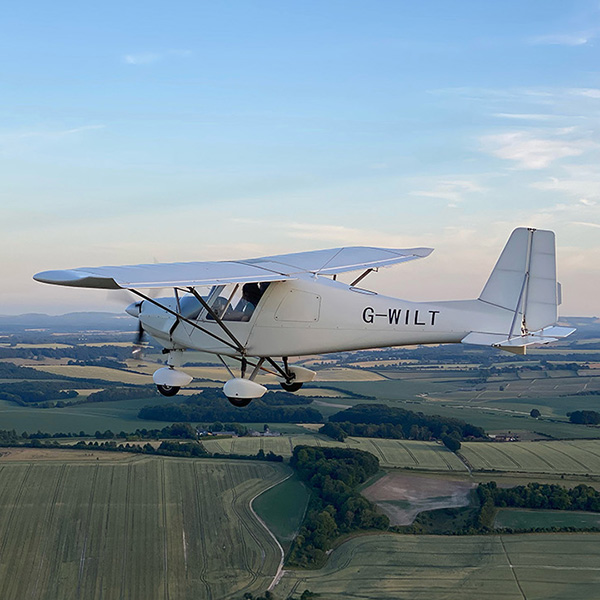
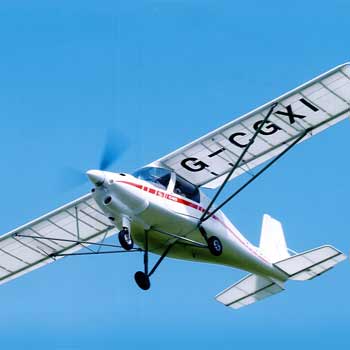
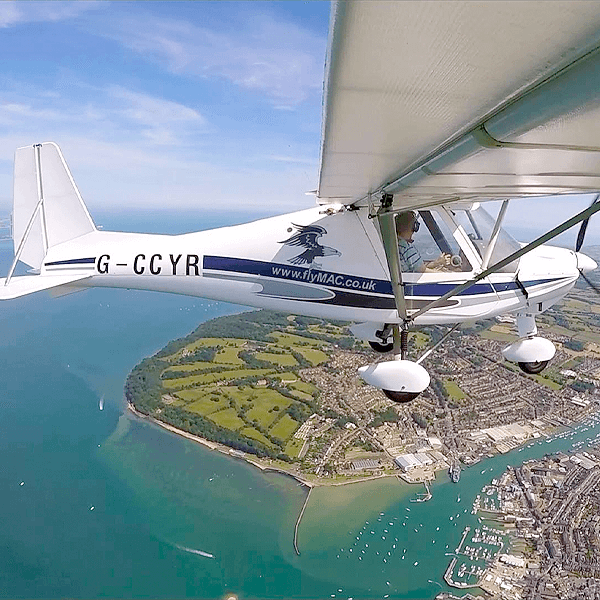
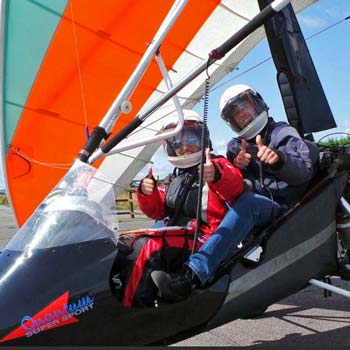
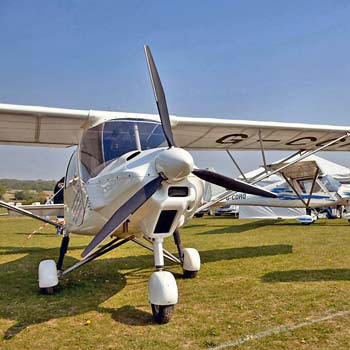
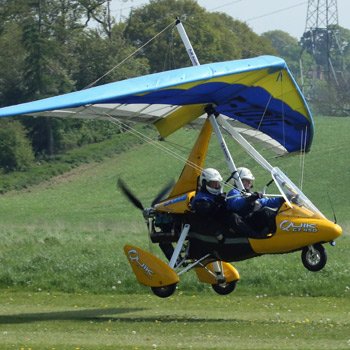
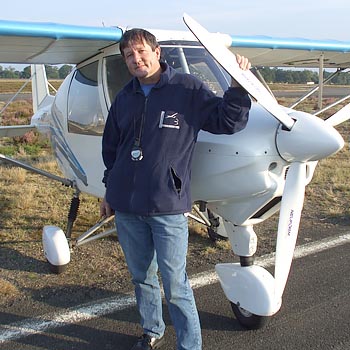
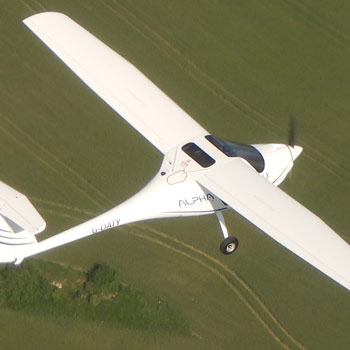
Fixed-wing microlights look like your typical light aircraft and flex-wing microlights don't! The fuselage of a flex wing microlight looks like a trike with a hang glider-style horizontal bar and the huge wingspan of the foldable wing above your head. A fixed-wing microlight has a fully enclosed cockpit and the pilot uses the rudder, ailerons and elevator to control pitch, yaw and roll using a control stick. We offer flights in both types.
To be a microlight, the aircraft (if it's a two seater) has to be no more than 450kg.
The engine is behind the pilot on your typical flex wing microlight like the Quik from P&M aviation. That means you get incredible all-round vision in an open-cockpit microlight, as there's no engine or propellor blade to get in the way. On a fixed wing, the engine is in front of you, with the propellor on the nose of the plane.
If you go on a flex-wing microlight experience you will be up front, sitting in front of your instructor in a tandem configuration. In the fixed-wing closed cockpit microlights, the seating is side-by-side, so you'll be sitting next to your instructor.
Yes! All microlight flights are offered as trial lessons. You can be as hands-on as you like, or if you prefer, sit back and enjoy the views. It's your flight time, so it's up to you, but most people do like to have at least a little go at the controls!
Each operator has its own rules, but in general, you need to be at least 14 years old, maximum height of 6ft and maximum weight is 15 stone. Please see each individual page under the 'Suitable for' tab for full details, or get in touch with us by email, chat or 01959 578100. And of course, no flying licence is needed for these taster microlight experiences!
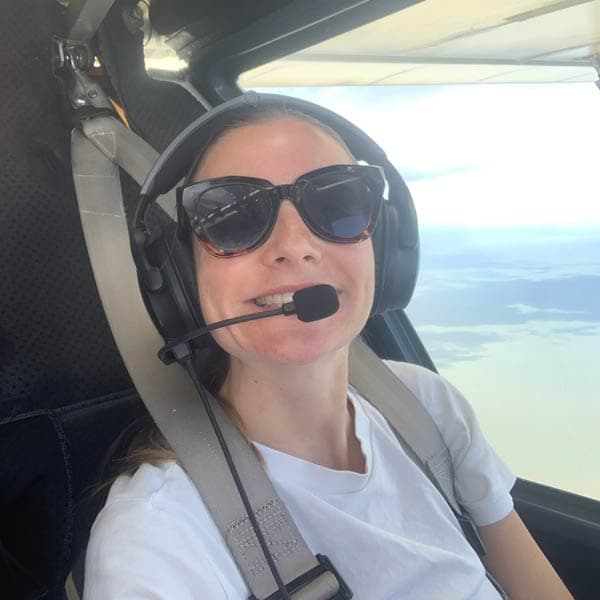
If you're in a fixed wing microlight in a fully-enclosed cockpit, we'd advise wearing comfortable casual clothing. High heels are not recommended, nor are open-toed shoes. For flex wing experiences where you'll be in an cockpit open to the elements, you'll be given a flight suit to wear, helmet and comms set so you can talk to the instructor and keep warm.
To be a microlight, the aircraft has to have a slow cruising speed of 35knots or less. Having said that, maximum speeds are constantly on the increase, with some of the newest fixed wing models like the Ikarus capable of 150mph. On average, a flex wing can fly between 50 and 80mph. In terms of distance, older, open cockpit microlights have a range of around 250 miles, yet modern microlights can fly as far as 1000miles, as they are built with more high-tech material and have become more efficient.
In essence, yes, but don't worry, the flight operator will reschedule your microlight experience for another suitable date. Microlights need wind speeds of less than 15knots to take off, with no cloud cover or rain.
Yes. Nearly all are part of the British Microlight Aircraft Association (BMAA). The association promotes microlighting in the UK and is the voice of the sport in this country. All pilot instructors operating these trial lessons are highly experienced pilots with lots of hours of microlight teaching under their belts.