Extra 20% off today!* Use code NOV20
Extra 20% off today!* Use code NOV20
11 experiences found
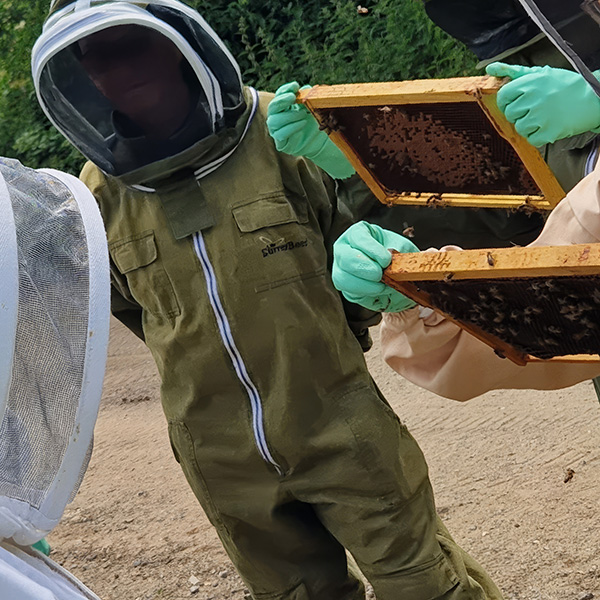
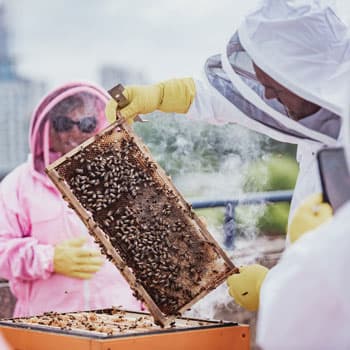
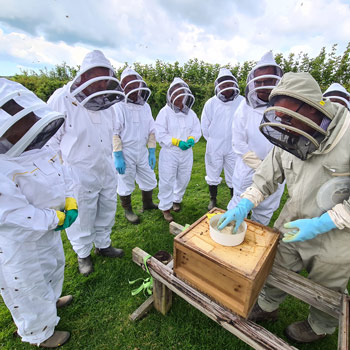
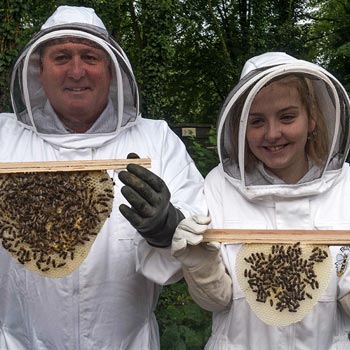
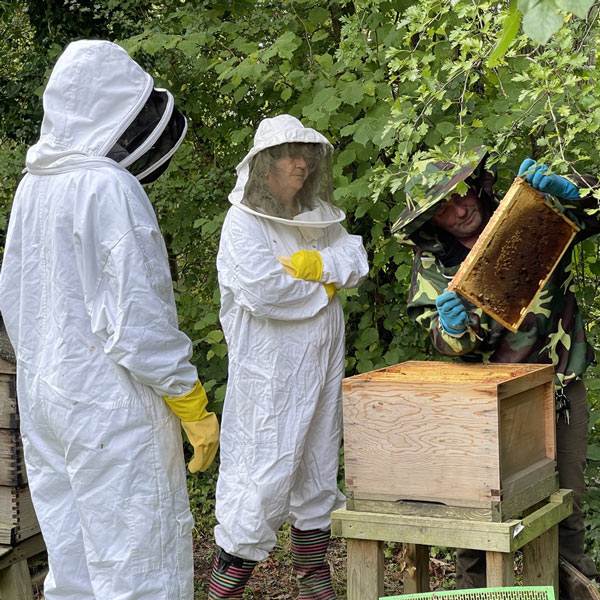
The best way to learn about beekeeping is to go on a course. An expert beekeeper will teach you all the basics of keeping bees happy in their hives (and happy bees produce more honey!). It's a great way to find out what's involved in keeping bees before you go ahead and invest in all the gear and the resident worker bees with their Queen.
If you get hands-on during a beekeeping experience, you'll be kitted out with all the protective gear. Having said that, a full bee suit is not a guarantee that you will never get stung as a beekeeper. The main thing to remember is that honey bees are naturally gentle creatures, only feeling threatened when they feel their queen bee or their hive is under attack. Also, make sure there are no bees clinging on to your suit when you take it off - that's a classic way of getting stung!
Between 9 and 30kgs of honey year. But this all depends on where your hive is, how many bees you have in your colony, the weather, the pollen and so on.
In theory yes. In the UK there is currently no legislation on where you can or cannot keep bees. There are things to take into consideration though before plonking a beehive in your garden, such as local habitat and the skills needed to be able to look after a beehive. That's why we highly recommend a beekeeping course before you launch straight in there!
Yes - from top-bars and nationals, to warre beehives, there are lots of different styles of beehive! It can get really quite technical quite quickly when it comes to the range of beehives available and their pros and cons. Our experiences will touch on types of beehives during your course.
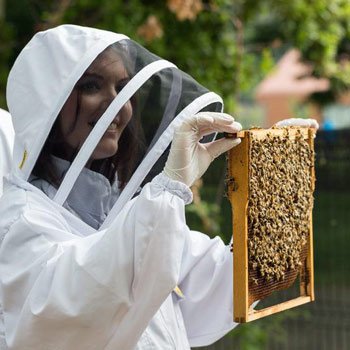
Yes. On some of the shorter taster courses you may not spend so much time investigating the hive, but you will always have time to get up close to the bees and watch them at work. On the full-day courses you will be all kitted out like a beekeeper for the day, and you could be helping out with everything from using the smoker to bottling honey.
A colony is the bee 'family' that sticks together. It'll be made up of the Queen bee leader and her workers bees. So if you're a beekeeper with beehives (also known as apiaries) you'll have one colony of bees living in each hive.
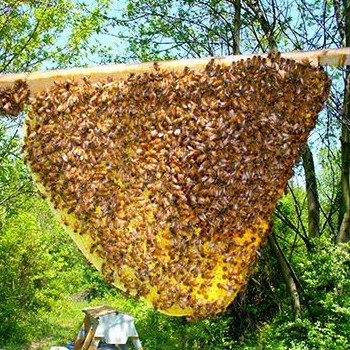
Swarming is literally when a Queen bee and a group of her workers leave a hive en-masse in search of a new home. A swarm can consist of something like 30,000 bees, so swarming can be quite scary and unnerving, but it's all part of the natural cycle of bee life. Having said that, some beekeepers ensure there are never any new Queen bees born in a hive, as having more than one Queen is what starts the swarming process.
Urban beekeeping is keeping bees in urban areas. In recent years, putting beehives in in places like the rooftops of buildings in towns and cities has grown massively in popularity. Urban beekeeping becoming a great hobby for city dwellers. In essence though, the method of beekeeping is the same wherever your hives are, whether it's urban or countryside!
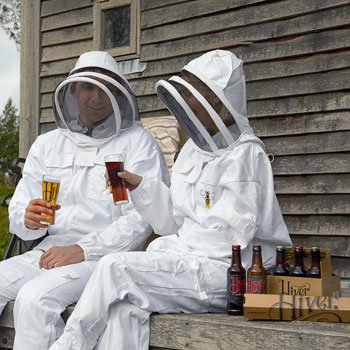
Most hosts will include all the protective gear for guests, that's to say the beekeeper suit, the hat and gloves. Most will recommend that you wear wellies for the experience.