Extra 20% off today!* Use code NOV20
Extra 20% off today!* Use code NOV20
21 experiences found
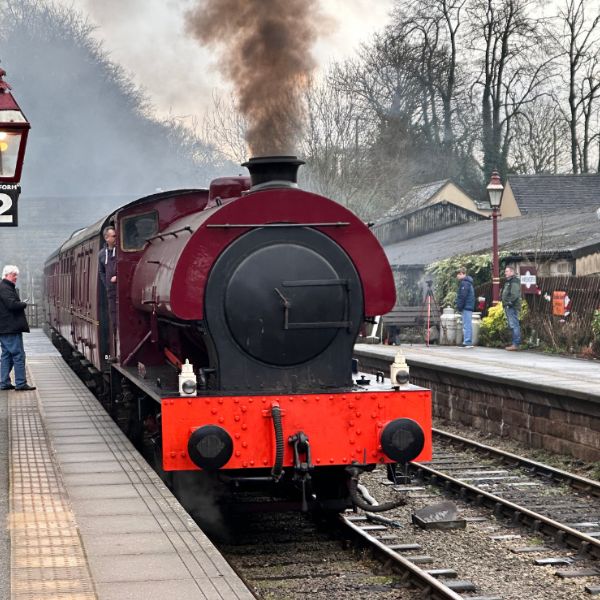
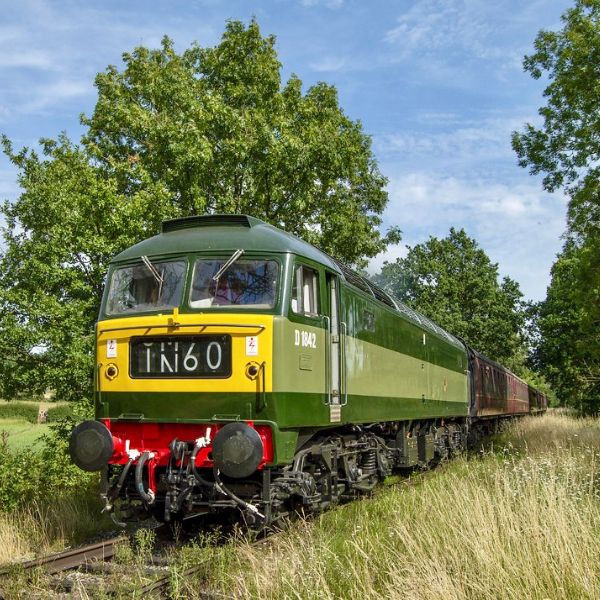
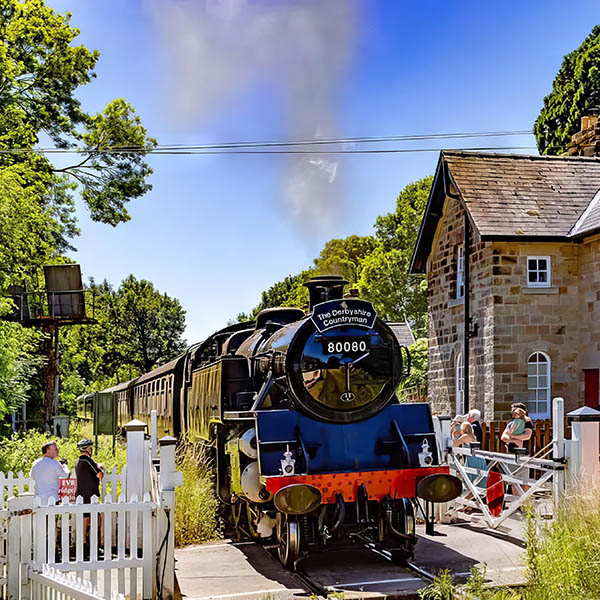
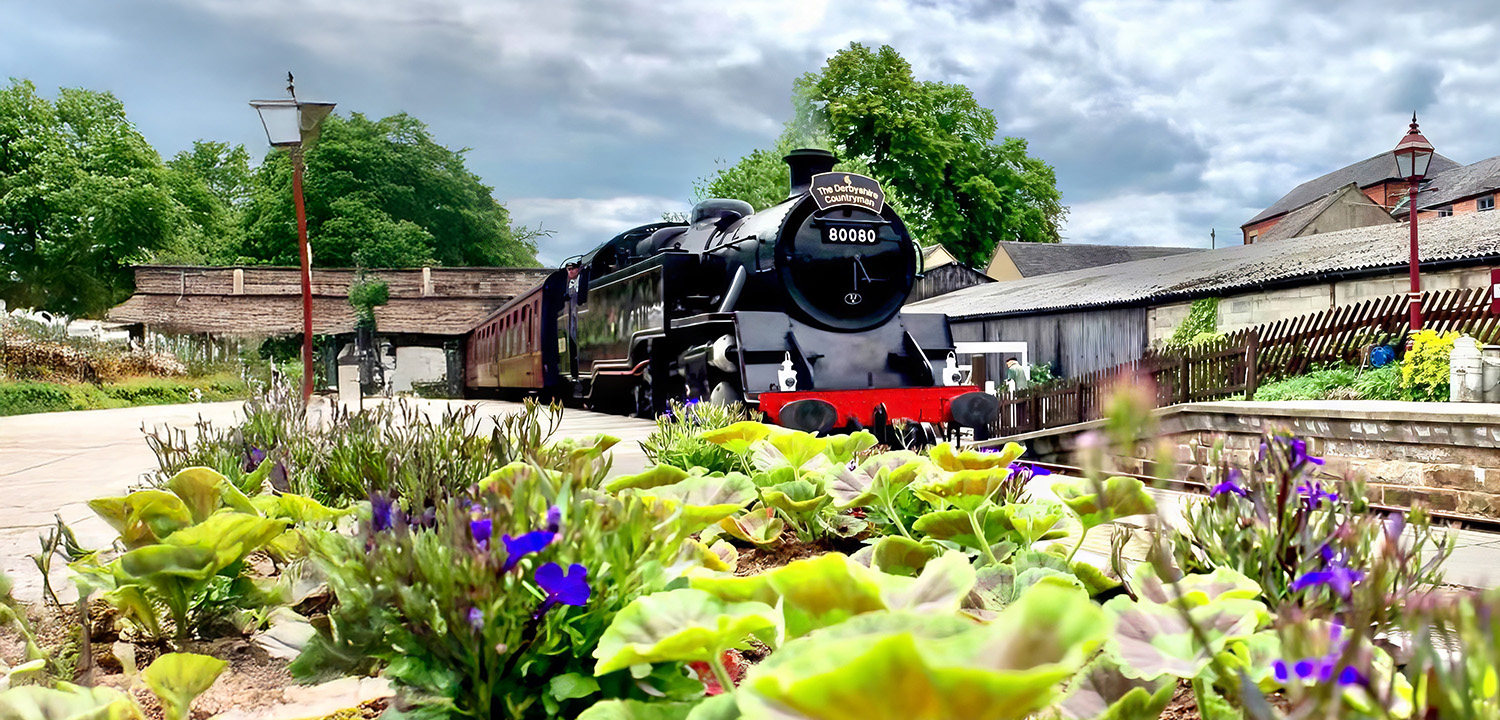
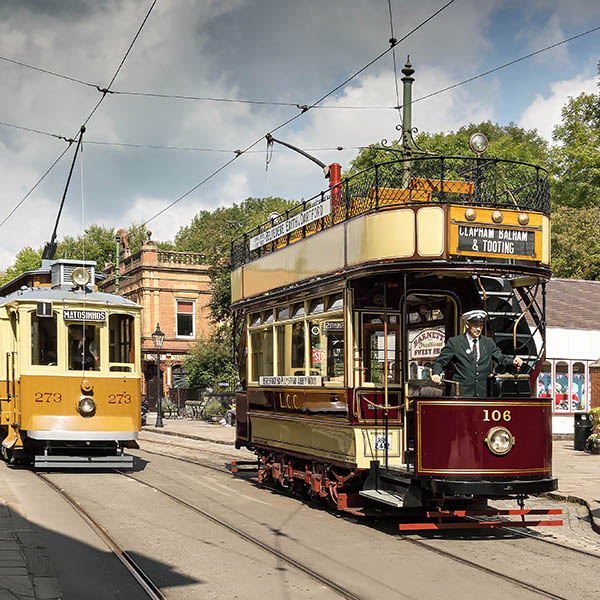
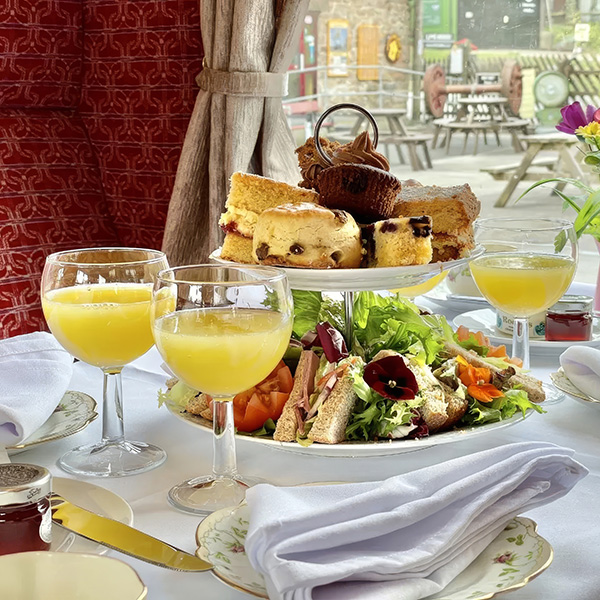
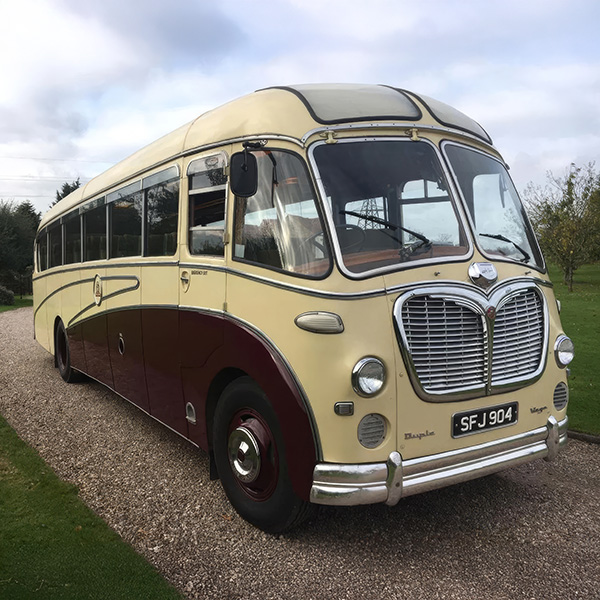
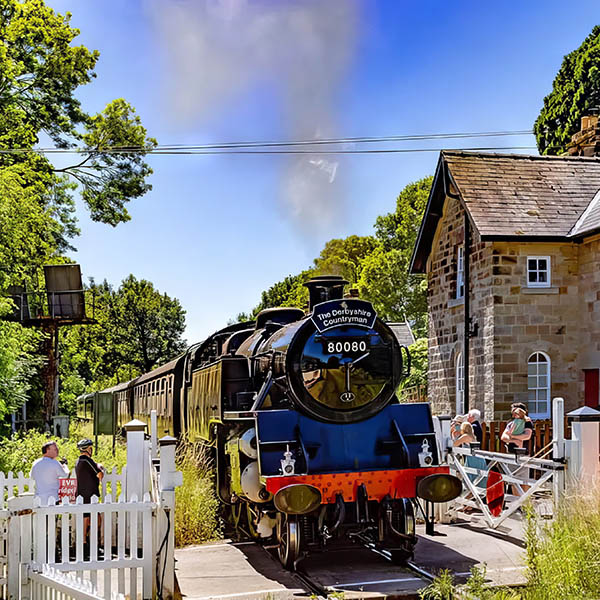
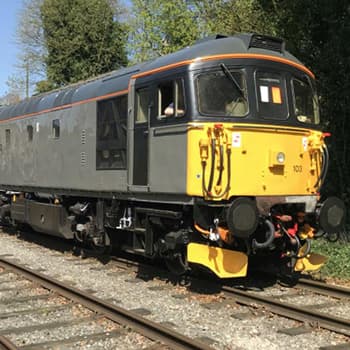
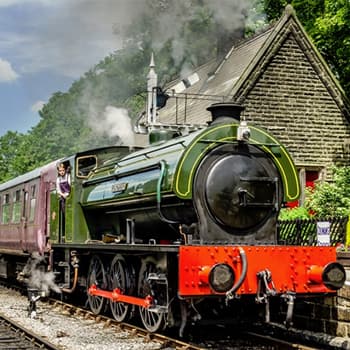
In a nutshell, the line was opened as a branch line in 1867, but passenger services never really took off, as other railway companies had the lion's share of the market from the Midlands to the North. However, local limestone production was flourishing and the branch line was used for freight. Passenger services ended in 1947 and freight finally came to a halt in 1967. The heritage railway, operating as the Ecclesbourne Valley Railway opened in 2002.
Running from Wirksworth to Duffield, the name follows the course of the River Ecclesbourne from its source to Duffield, where it meets the River Derwent, hence the name!
It's nearly nine miles from Wirksworth to Duffield. There is also a short branch from Wirksworth to Ravenstor in the other direction, with a steep gradient.
Indeed it is - and that's what makes the Ecclesbourne Valley Railway unique. The steam trains roll into platform 3 at Duffield, whilst platforms 1 and 2 are used by Midland Mainline services north to Sheffield and south to London St Pancras, as well as local services to the likes of Matlock, Derby, Nottingham and Newark.
Aside from the main nine-mile line to Duffield, Wirksworth station features a short, incredibly steep branch line up to Ravenstor. Climbing at a very steep 1-in-27 gradient, it is one of the steepest standard-gauge railway inclines in the UK and presents a demanding challenge for locomotives and drivers alike!
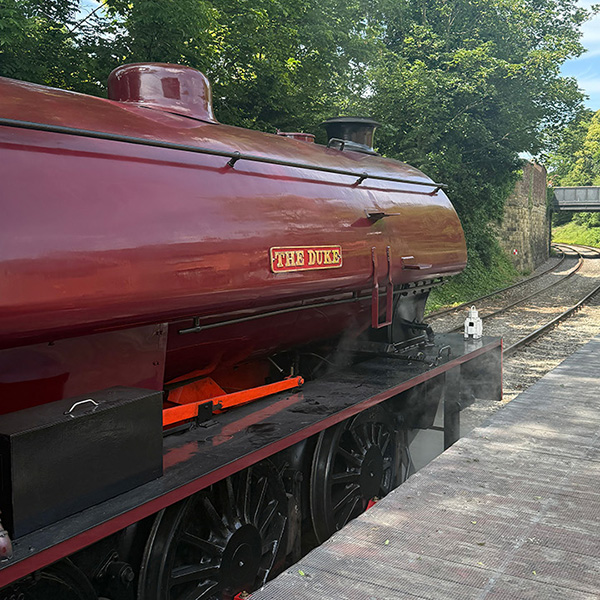
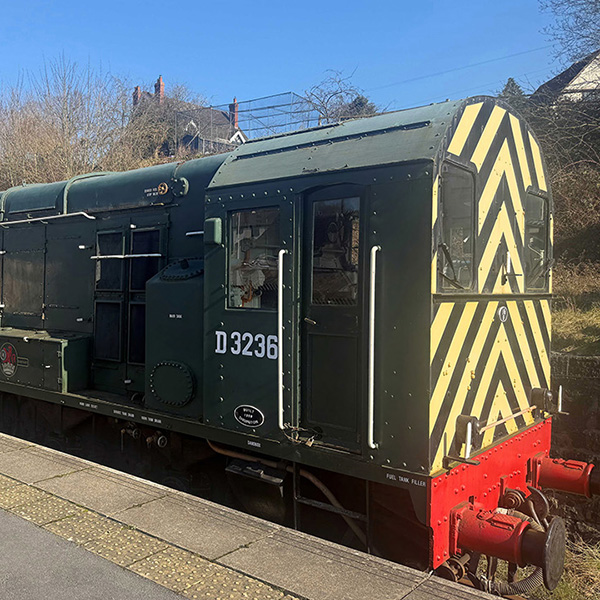
There is a fine fleet of both steam locos, diesel-electric trains and railcars (DMUs) on the Ecclesbourne line.
The railway features an impressive roster of mainline diesel traction. Among the regular stars of the fleet are classic British Rail workhorses, typically operated by Class 33, Class 47, or Class 73 locomotives, which are famous for hauling heavy passenger and freight trains back in the day.
Wirksworth is the bustling hub of the railway. Visitors can explore the station yards, view the active engine sheds, browse the museum and bookshop, as well as popping onto the platform cafe inside a vintage wagon. It’s a great place to soak up the nostalgic atmosphere and watch the volunteers hard at work maintaining the fleet.
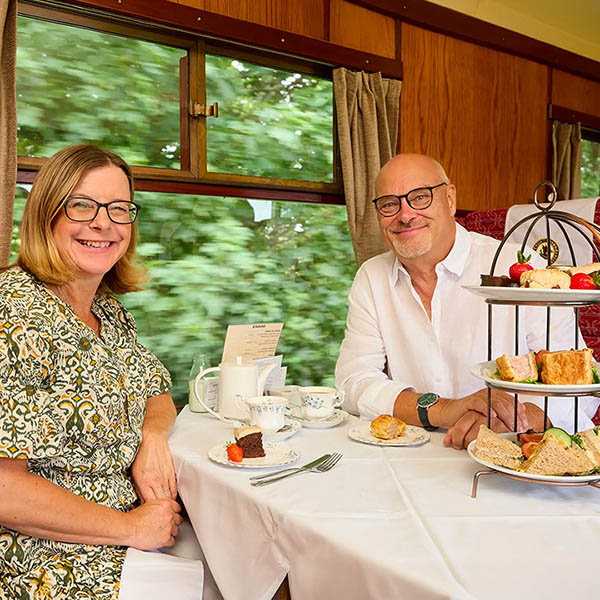
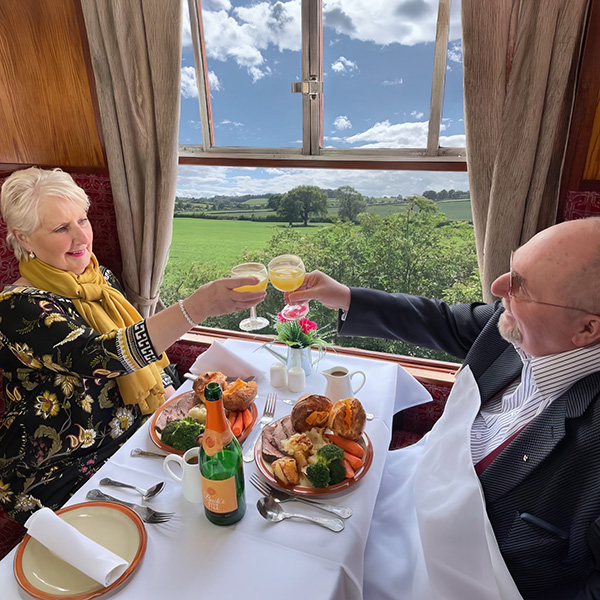
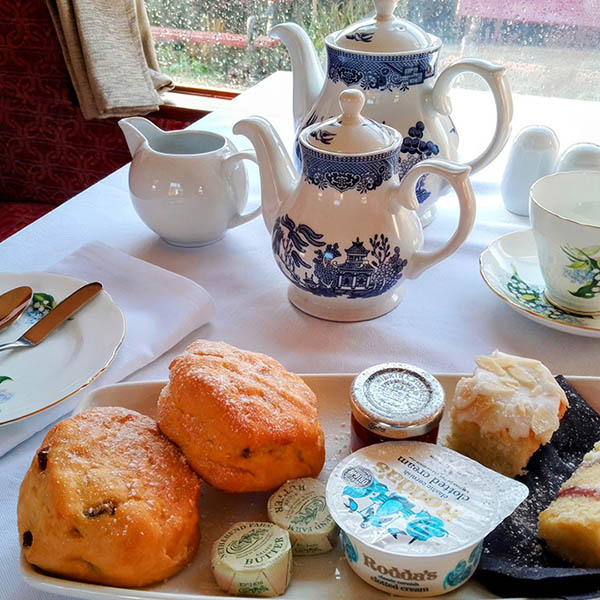
Absolutely! The Derbyshire Countryman is made up of fully-restored carriages with a mix of open-plan seating and individual compartments, featuring comfy armchair-style seats and tables made up with linen and cutlery ready for dinging experiences.
Yes you can! Into The Blue has a range of vouchers offering small group and individual experiences driving diesel-electric mainline locos, DMUs, shunters and steam locos too.