Extra 20% off today!* Use code NOV20
Extra 20% off today!* Use code NOV20
16 experiences found
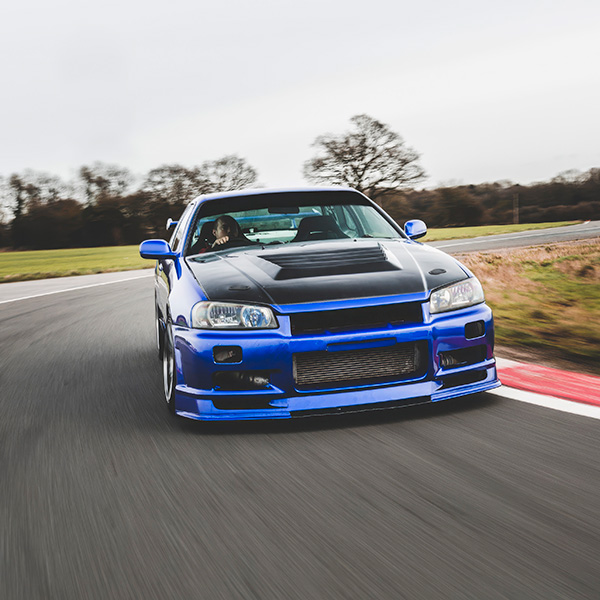
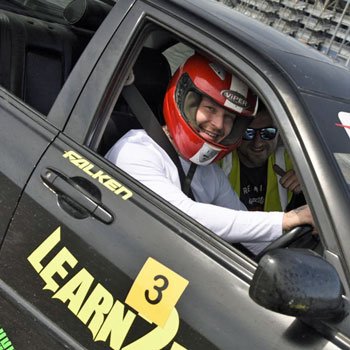

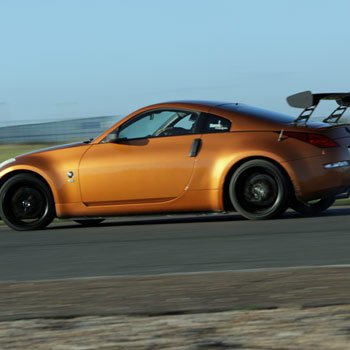
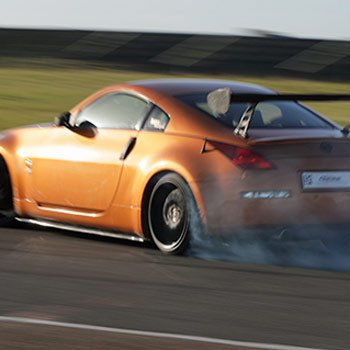
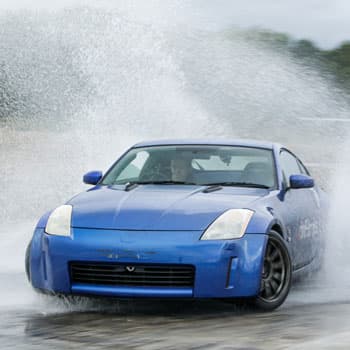

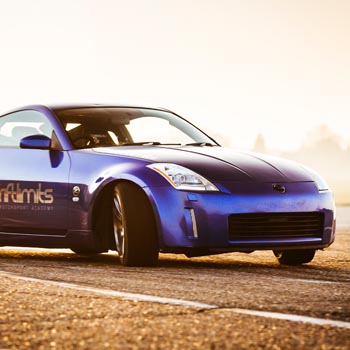
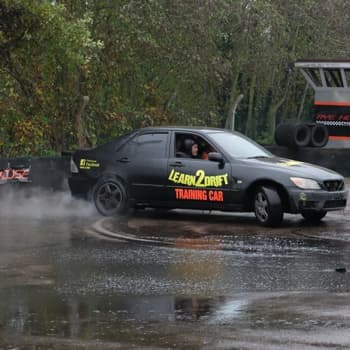
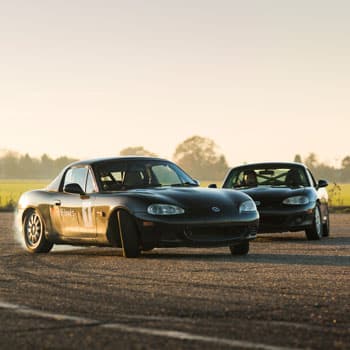
The art of drifting is all about getting the car to go sideways around a corner, using oversteer (when the rear wheels lose grip before the front ones, making the back end of the car swing out) and controlling it with the throttle and your steering. The ultimate aim is to link your drift turns at ever-increasing entry and exit speeds.
Yep! Drifting started on the streets of Japan and has been portrayed and glamourised in the incredibly successful Fast & Furious film franchise. There are also several video games dedicated to all things drift, so these experiences make all that drifting stuff you've seen on the screen real!
On the streets it is not legal. All of our drifting experiences take place on tracks on private land. The drift schools construct bespoke drift circuits, where you can learn and progress in your drifting in a safe and controlled environment well away from the mean streets of Tokyo, or should that be Torquay?
Most of our drift schools do ask that participants do have a full, valid driving licence for a manual car. This, therefore, means the minimum age for drifting is 17 in most cases.
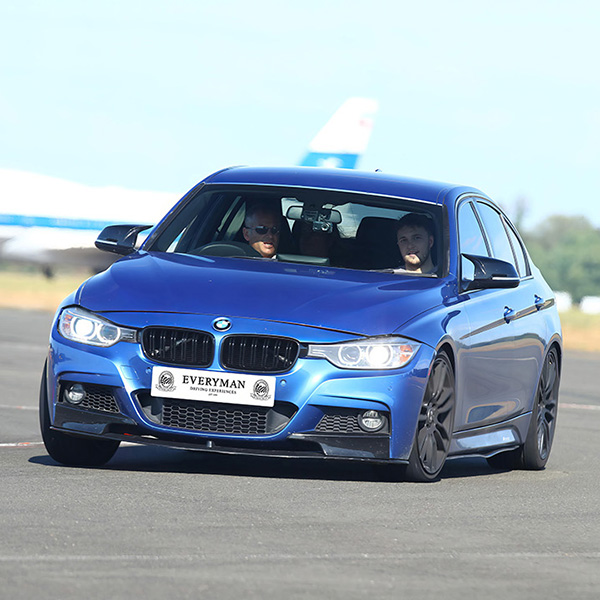
Rear wheel drive cars are essential for drifting. In true keeping with the roots of the sport, Japanese cars are really popular amongst pro-drifters and the schools offering lessons. You might find yourself behind the wheel of anything from the pocket rocket MX5, to the hulking Nissan Skyline. BMWs are also quite popular, as were Ford Sierras back in the day for a very British spin on drifting.
Yes. They all start off as standard production rear wheel cars, but need various upgrades to be able to cope with the gruelling schedule of drift lessons they undertake. So, as well as 'lowering the suspension and welding the diff' (a much-used expression in the drift world!), expect things like uprated brakes, clutch, suspension and tyres too. Some centres use actual drift race cars, so they will be stripped down cars with full roll cages and so on, to conform to drift competition regulations.
The pros (and the film stars) certainly make it look a lot easier than it actually is. Some of these guys have been drifting at pro competition standard for decades now, so they've had years to perfect the art. When you first start out you are bound to spin out and/or stall the car. This is all part of the learning process and you'll find the instructors are really cool, calm, collected and patient about it all.
Yes it is indeed possible! Of course it depends on the individual person, but the instructors reckon they get most pupils performing at least simple drifts by the end of even the shortest sessions. We have a full range of drift experiences, from tasters to full days of tuition, that'll give you loads of track time to learn and hone those techniques.
Well, we certainly wouldn't recommend taking the family Beemer out for a spot of drifting in your local supermarket car park. That's because not only is it illegal, it probably will damage your car, as it's pretty heavy on the old clutch. And you'll be burning through sets of tyres like no-one's business. We say leave it to the professionals who have all the mechanical skills to make sure the drift cars are in tip-top condition for these drifting experiences.
In general, you will form part of a small group that rotates around the sessions on the track. Once you're in the car it is indeed one to one tuition with just you and the instructor in the vehicle. Reconnaissance laps might be done as a group though. Please check each individual product description for the full details.